Ataraxy-Labs/opensessionsPlugins
tmux sidebar for coding agents — Amp, Claude Code, Codex, OpenCode. Per-thread markers, local HTTP API, live session state.
1.2k
tmux sidebar for coding agents — Amp, Claude Code, Codex, OpenCode. Per-thread markers, local HTTP API, live session state.
Native-session control plane for Codex, Claude Code, OpenCode, OMP and PI. Run, resume and hand off coding sessions across your machines.

Mobile-first web UI for managing AI coding sessions (Claude Code, Codex, Aider, Gemini CLI, Amp, Pi). Self-hosted with multi-pane terminals, git integration, and session orchestration.

Terminal session manager for AI coding agents. One TUI for Claude, Gemini, OpenCode, Codex, and more.

Monitor Claude Code sessions, costs, config, hooks, agents & MCP servers from a single Rust binary — TUI (9 tabs) + Web interface with live process tracking, budget alerts, and 30-day forecasting

Project memory system for AI coding assistants (Claude Code, Cursor, Codex): session logs, project wiki, rules, TODOs, and handoff.

A human-governed AI coding workflow that distills ephemeral session context into persistent project memory—making work traceable, reviewable, and resumable.
A keyboard-first menubar app to monitor and jump between AI coding sessions — minimum setup required.

Open-source OpenAI Codex alternative | Multi-agent desktop GUI for OpenCode | manage coding sessions, visualize diffs, and stream in real-time.

MCP server providing kanban-based task management memory for complex multi-session workflows with AI agents
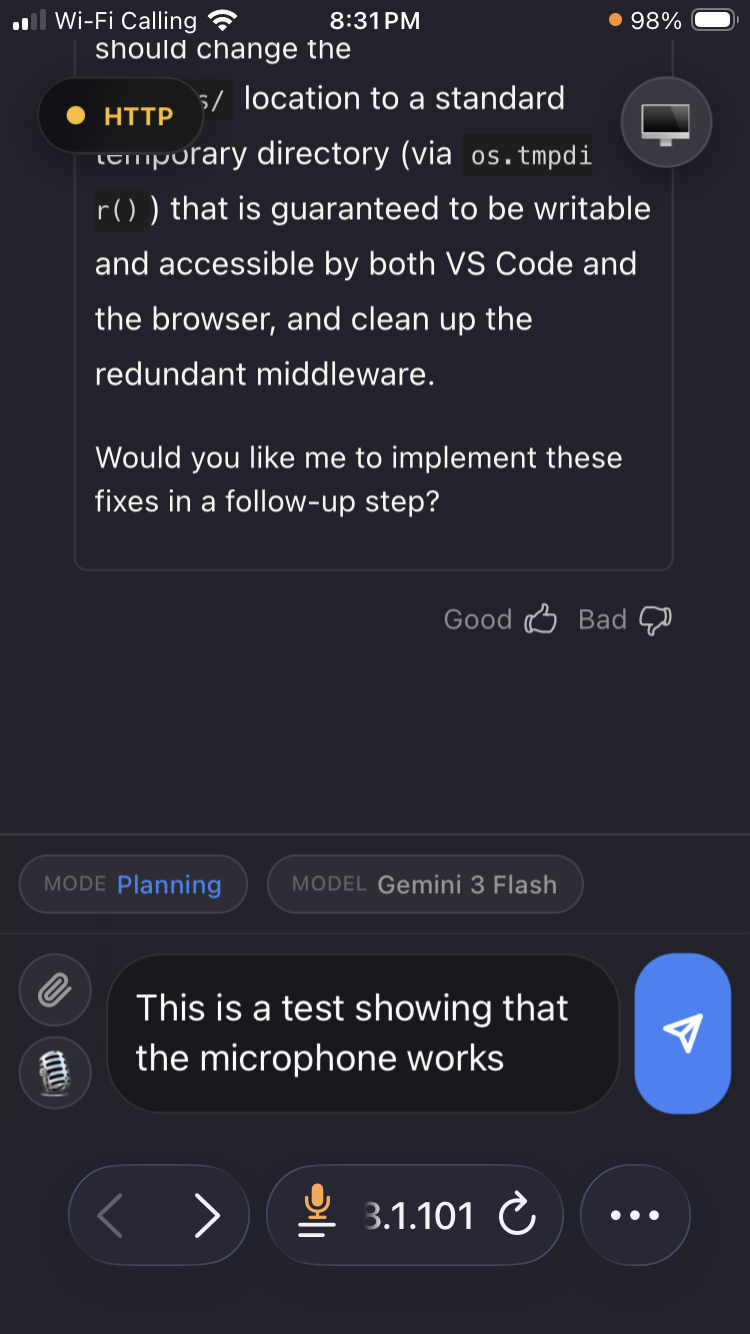
Mobile companion for Google's Antigravity IDE. Mirror AI sessions on your phone, send messages, stop generation, automate via 9 MCP tools or OpenAPI.

HTTP bridge powering OpenClaw's AI agents via Claude Code CLI — manages persistent sessions, auto-resume, extended thinking, and provides a real-time React dashboard with per-agent cost tracking. Exposes an OpenAI-compatible API.

Local-first game design OS for AI agents: turn sessions into evidence, experiments, reviewable decisions, and durable project memory—Human Gates and rollback.
Synapse is a local-first personal memory operating system designed for AI agents. It provides durable, typed, and highly reliable long-term memory using only local SQLite — giving agents the ability to remember, update, and reason over facts across sessions with full user control.

AI-native agent harness for coding workflows by python: multi-model LLM orchestration, stateful sessions, tool governance, traceable delivery, and provider routing for GPT, Claude, DeepSeek, Qwen, Kimi, GLM, and MiniMax.
Every local AI coding session in one tab: Claude Code, Codex and OpenCode in a single list, with a queue you can schedule and isolated Claude Desktop instances kept apart. Local, private, MCP-native.

A tmux environment built for running coding agents in parallel — with a persistent sidebar that shows every session, what's running, and what needs your attention.

AI builder operating system. Turn Claude Code from a per-session tool into a workspace that remembers, maintains itself, and never goes stale. BASE = Builder's Automated State Engine.

Cross-Code Organizer (formerly Claude Code Organizer): cross-harness config dashboard for Claude Code, Codex CLI, MCP servers, skills, memories, agents, sessions, security scanning, context budget, and backups.
Persistent Claude Code agents with scheduling, sessions, memory, and Telegram.
The Cursor10x MCP is a persistent multi-dimensional memory system for Cursor that enhances AI assistants with conversation context, project history, and code relationships across sessions.

🚀 A real-time monitoring dashboard for Claude Code & Codex, built with SQLite3, Node.js, Express, React, Vite, TailwindCSS, & WebSockets. It tracks sessions, agent activity, tool usage, and subagent orchestration, providing live analytics, a Kanban status board, status notifications, a cute buddy, & an interactive web UI/MacOS/Windows native app.

Persistent memory for AI coding agents. Local-first, cross-session context, global knowledge, and optional autonomous task execution.

Adam Framework for OpenClaw — 5-layer persistent memory and identity architecture for AI agents. Production-validated over 353+ sessions. First documented case of emergent values in persistent AI, quantum-verified on IBM hardware.