ozgurcd/
gograph

ozgurcd/gographTools
Local-only Go static analysis engine with a built-in MCP server. Gives AI coding agents deterministic structural awareness: call graphs, impact analysis, symbol search, and more.
219
Local-only Go static analysis engine with a built-in MCP server. Gives AI coding agents deterministic structural awareness: call graphs, impact analysis, symbol search, and more.
Open-source, local-first conversational AI video editor with a professional multi-track timeline, Agent Skills, MCP integration, and Remotion rendering.

📖 Cross-agent research paper toolkit for Claude Code, Codex, OpenCode, and DeepSeek Harness—quick summaries, deep study materials, code demos, and a local web viewer.

Save 30% token costs when using Claude Code, Codex, OpenCode for free - with open source, local semantic search. Works for small and large codebases and monorepos! Enterprise-ready and fully compliant via Ollama and SQLite-vec.
Local-first project management and persistent context for OpenClaw, Claude Code, Codex, Cursor, and multi-agent coding workflows.
The Swiss Army Knife of Offline AI. Chat, see, speak, and generate images on your phone or Mac — GGUF LLMs, vision, Whisper speech-to-text, Stable Diffusion, tool calling, and local-network servers. Runs on your CPU, GPU, or NPU. No account, no API key, zero data leaves your device.

Plug-and-play homelab dashboard in one container — GPU, local-AI VRAM, Docker, systemd, host health. Built-in read-only MCP server so AI agents can explore it too.
Unified CLI for running AI coding agents in isolated containers. Includes built-in local metrics collection, HTTP traffic tracking, and an analytics dashboard to track agent actions.
A local MCP runtime that attacks what you own and only reports what it proved. 17 CVEs across 9 projects came out of this repo. Install: npx -y hacker-bob@latest install /path/to/project, then run /bob-evaluate target.com

Local AI API gateway for OpenAI / Gemini / Anthropic. Runs on your machine, keeps tokens counted (SQLite), offers priority-based load balancing, optional OpenAI Chat↔Responses format conversion, and one-click setup for Claude Code / Codex.

A local-first, encrypted Slack/Discord alternative built for the agentic era. AI agents, such as openclaw, join channels, receive tasks, and coordinate on equal footing with humans — over a serverless P2P mesh.

Open-source multi-agent AI desktop client — build and command your AI agent team through conversation. A commander LLM dispatches sub-agents in parallel or in series; agents self-evolve via reflection and skill crystallization. Local-first, BYO LLM keys (Claude · OpenAI · Gemini · DeepSeek · Kimi · GLM · Qwen). macOS / Windows / Linux.
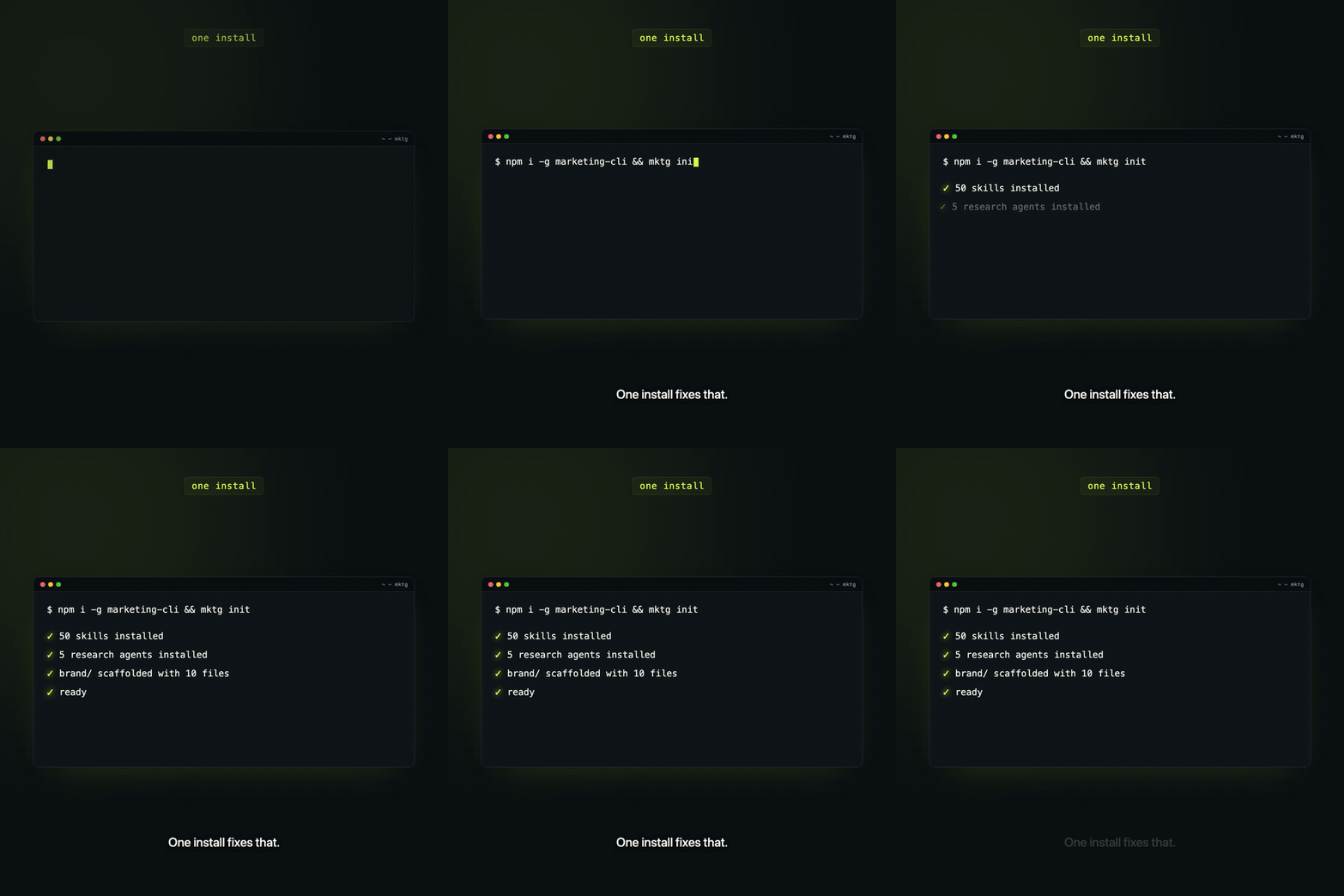
Agent-native marketing CLI: 76 skills, 6 research/review agents, brand memory that compounds across sessions, and a local Studio dashboard. One npm install, then /cmo in your coding agent.

Deterministic, local-first memory and guardrails for AI coding agents with no LLM in the hot path.
Bulk port forwarding Kubernetes services for local development.

Agentic RAG for local and self-hosted document search: hybrid retrieval, reranking and multimodal RAG on embedded LanceDB, with Docling parsing and an MCP server
Installable agent skills for browser automation, local knowledge, skill management, external CLI workflows, and session handoffs.

A markdown editor — and the bridge to your LLM. Local-first, MIT, ~15 MB. Bundled MCP server lets Claude Code / Codex / Cursor drive your vault directly. 14 AI providers BYOK.
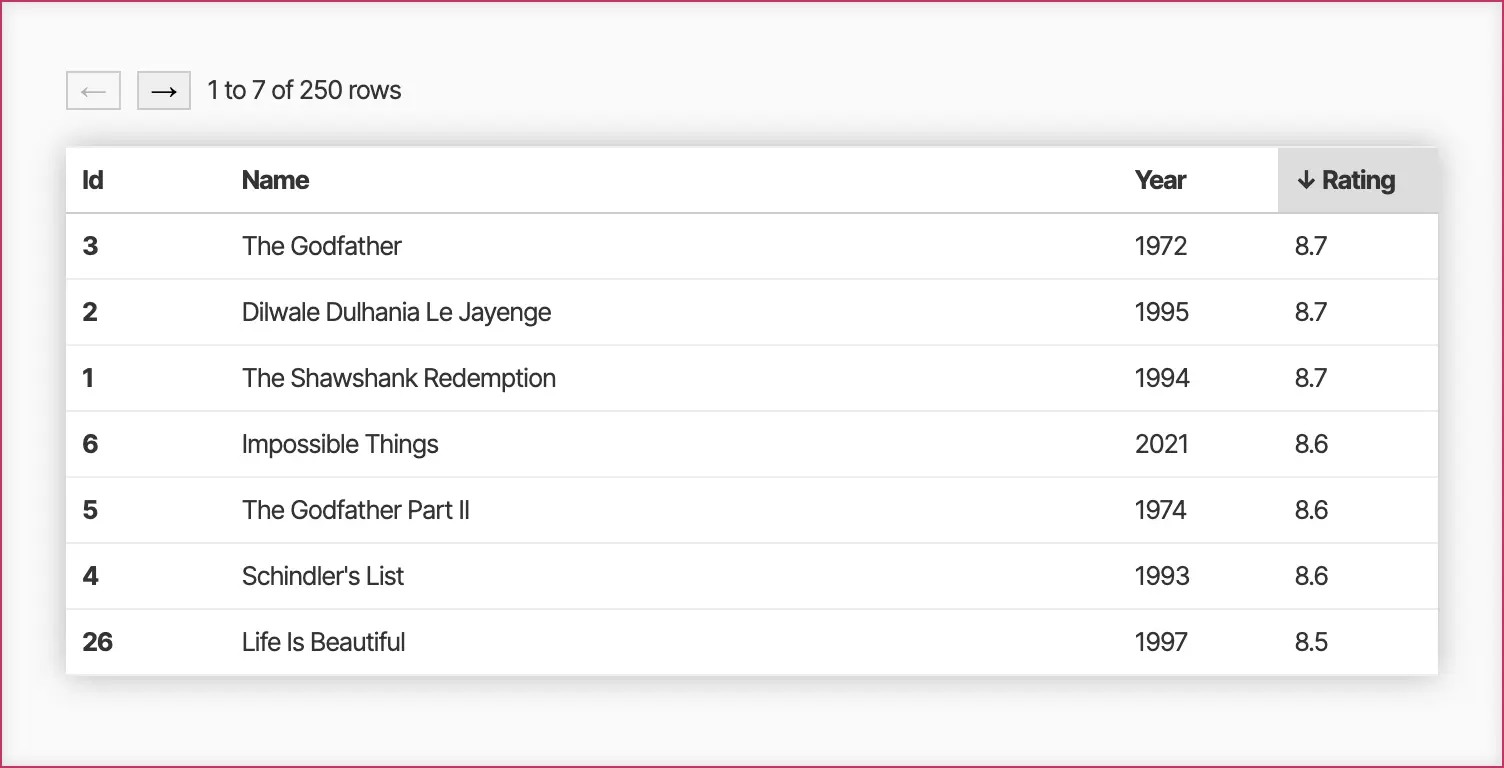
A reactive data store & sync engine.

An MCP server enabling AI assistants to interact with Anytype - your encrypted, local and collaborative wiki - to organize objects, lists, and more through natural language.
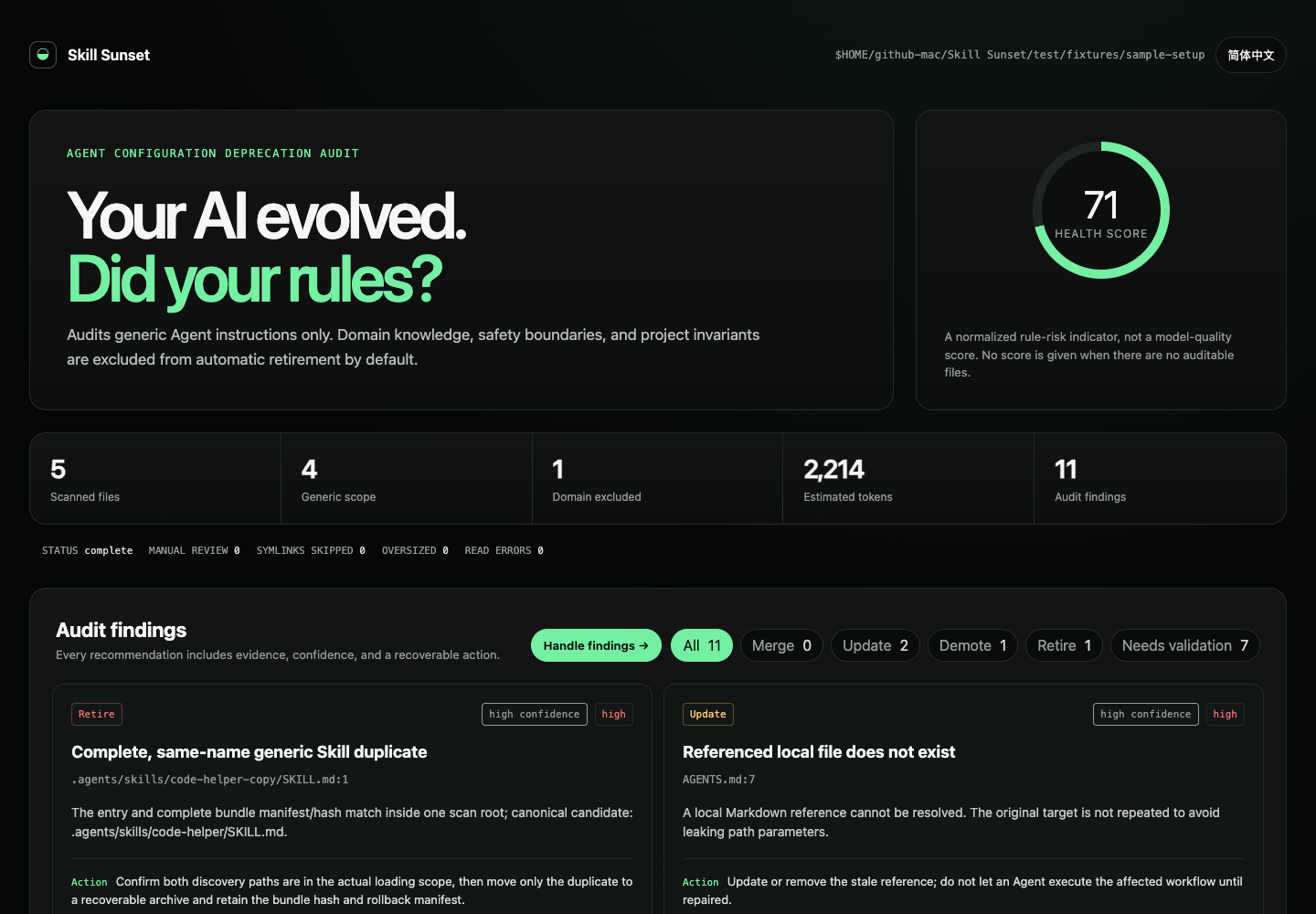
Local, read-only audit for stale AGENTS.md, CLAUDE.md, and generic SKILL.md instructions.
MCP server to interact with LogSeq via its Local HTTP API - enabling AI assistants like Claude to seamlessly read, write, and manage your LogSeq graph.
OKF (Open Knowledge Format): Durable, structured memory for AI agents. Author, validate, consume, and maintain portable knowledge bundles through an ecosystem of Skills, MCP, an interactive graph, TUI, CLI, Docker, and a Claude Code plugin. 100% local.

Own your LLM's web search: a local search->fetch->rank pipeline that replaces hosted web-search tools. Measured: matches hosted accuracy at 66% lower cost and up to 88% fewer tokens, plus a precision-tuned semantic caching with query-dependant TTL that no API offers.