yohey-w/
multi-agent-shogun

yohey-w/multi-agent-shogunHarnesses
Samurai-inspired multi-agent system for Claude Code. Orchestrate parallel AI tasks via tmux with shogun → karo → ashigaru hierarchy.
1.4k
Samurai-inspired multi-agent system for Claude Code. Orchestrate parallel AI tasks via tmux with shogun → karo → ashigaru hierarchy.

Open-World Self-Evolution for LLM Agents — agents that build both their skills and their own verification signals from scratch, with no target-task supervision. (Code coming soon.)
Personal AI desktop agent for Windows, macOS, Linux, Android & iOS. Set a goal, it works on its own. Teams (pair two desktops, agents + humans), Agent2Agent, Workflows, Codework, multi-agent orgs, desktop + browser automation. 15+ AI providers, BYOK. No Docker, no terminal. Agent Skills (SKILL.md). Migration importer. Recurring autonomous tasks.

A memory plugin for AI coding that turns engineering experience, repository knowledge, and your way of working into memory that remains useful in future tasks.
Open-source, self-hostable alternative to Claude Tag — a Slack-style workspace where your team and its AI agents (Claude Code, Codex, GitHub Copilot, and more) work as teammates in channels, threads, DMs, and shared tasks. Your data stays on your machines.

Define task-specific AI sub-agents in Markdown for any MCP-compatible tool.

Run a task with AI as a flow of steps you keep, reuse, and refine, not a one-off chat.
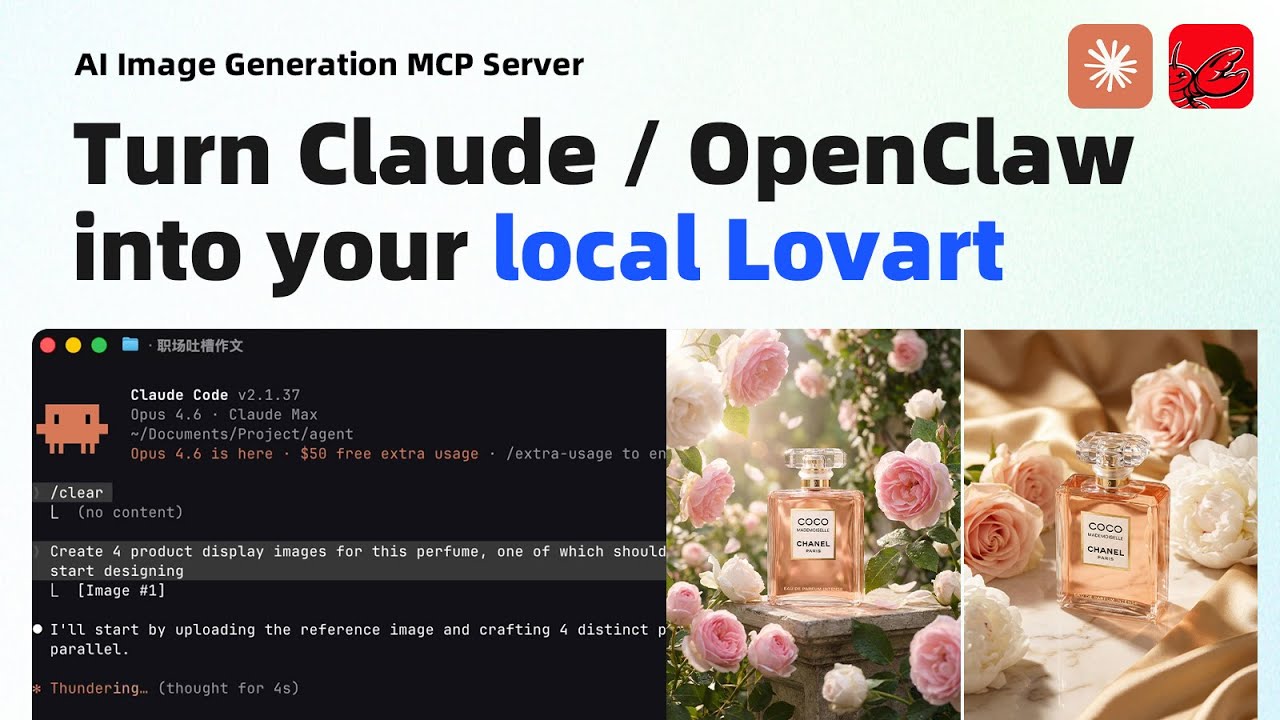
Supports GPT Image 2, Seedance & ComfyUI, with a 1,400+ prompt library, carefully crafted hooks and a multi-task orchestration system

Run multiple AI models against the same research, design, or coding task. Surface disagreements before you ship.

Forge Orchestrator: Multi-AI task orchestration. File locking, knowledge capture, drift detection. Rust.

Persistent, branch-aware workflow state memory MCP server for AI coding assistants. Tracks tasks, accepted decisions, and active blockers to prevent session context bloat and speed up development.

The Agent Harness for AI-Human Collaboration, inspired by the AI-DLC (AI-Driven Development Lifecycle)

Agent Fusion is a local RAG semantic search engine that gives AI agents instant access to your code, documentation (Markdown, Word, PDF). Query your codebase from code agents without hallucinations. Runs 100% locally, includes a lightweight embedding model, and optional multi-agent task orchestration. Deploy with a single JAR
Unity MCP acts as a bridge between AI assistants and your Unity Editor. Give your LLM tools to manage assets, control scenes, edit scripts, and automate tasks within Unity.

Professional slash commands for Claude Code that provide structured workflows for software development tasks including code review, feature creation, security auditing, and architectural analysis.
Open-source super AI assistant & Agent Harness. Plans tasks, runs tools and skills, self-evolves with memory and knowledge. Multi-agent, multi-model, multi-channel. Lightweight, extensible, one-line install. (formerly chatgpt-on-wechat)
Self-evolving memory OS for LLM & AI Agents: ultra-persistent memory, hybrid-retrieval, and cross-task skill reuse, with 35.24% token savings and DeepSeek Harness support.

Persistent memory for AI coding agents. Local-first, cross-session context, global knowledge, and optional autonomous task execution.
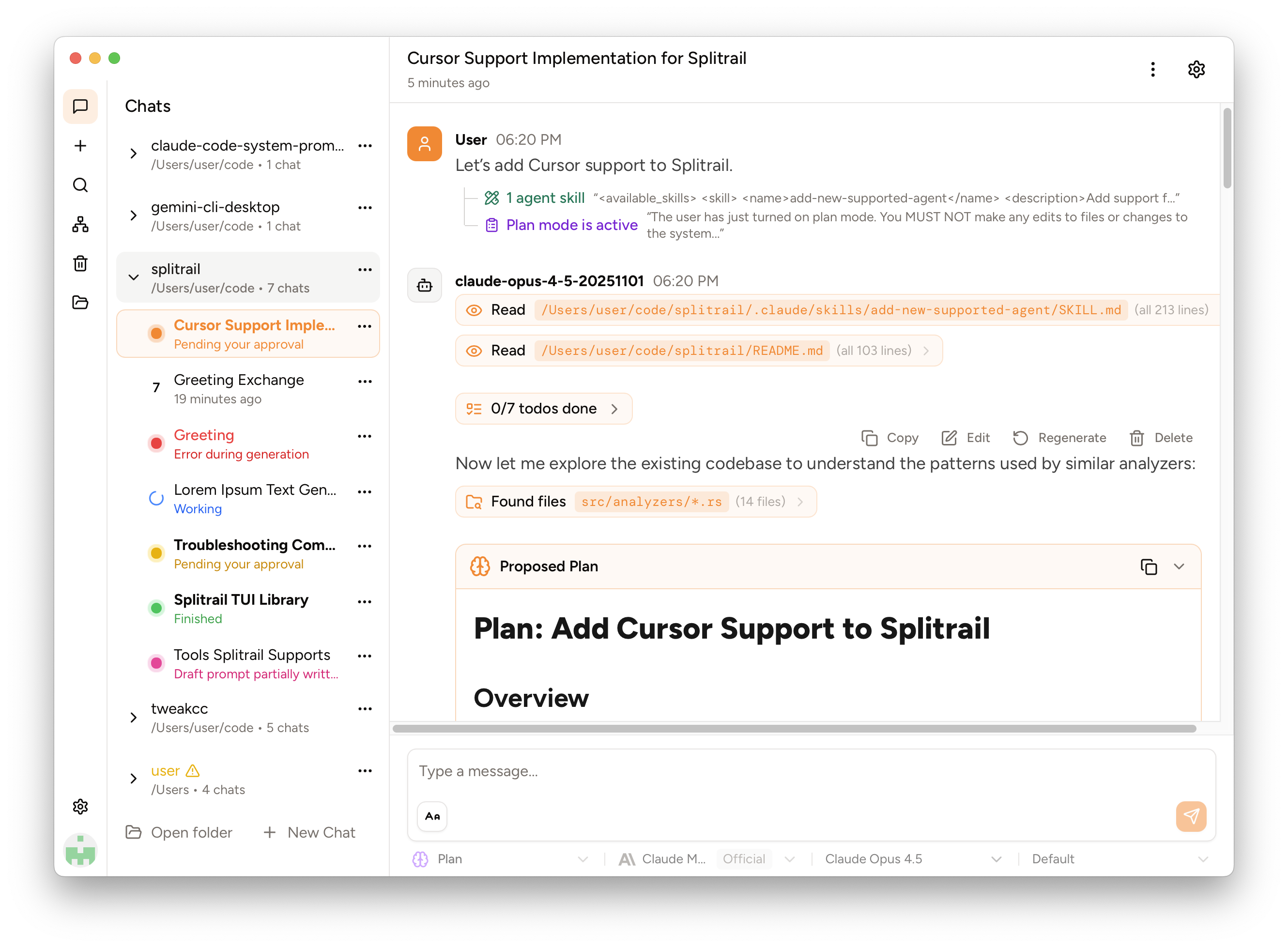
All parts of Claude Code's system prompt, 27 builtin tool descriptions, sub agent prompts (Plan/Explore/Task), utility prompts (CLAUDE.md, compact, statusline, magic docs, WebFetch, Bash cmd, security review, agent creation). Updated for each Claude Code version.
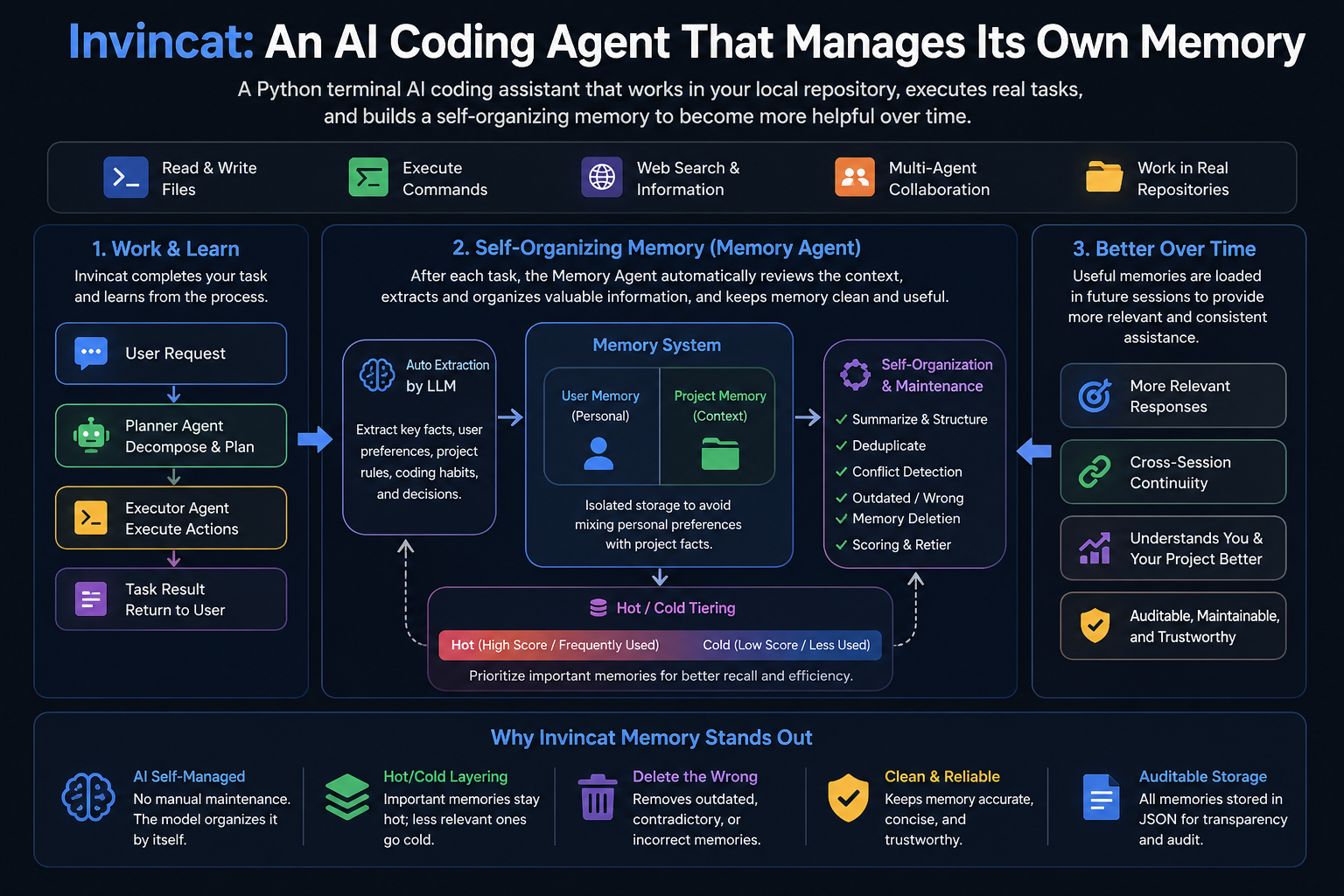
A native Python agent CLI built on DeepAgents CLI, featuring an independent memory Agent that captures learnings after each task and delivers efficient AI coding assistance through hierarchical memory management.

Free, local tool to track AI coding token usage and cost across 37 tools and agents (Claude Code, Cursor, Codex, Gemini and more), by model, project, and task. npx codeburn

Make AI coding agents architecture-aware: baseline-first, evidence-verified, drift-checked, and safe across long tasks.
Lightweight Agent Workstation for Codex CLI + Claude Code — with task scheduler, git worktree & remote control

Grov automatically captures the context from your private AI sessions and syncs it to a shared team memory. It auto injects relevant memories across developers and future sessions to save tokens and time spent on tasks.