metaevo-ai/
meta-context-engineering

metaevo-ai/meta-context-engineeringFrameworks & SDKs
[ICML 2026] Meta Context Engineering via Agentic Skill Evolution
166
[ICML 2026] Meta Context Engineering via Agentic Skill Evolution

The official Ruby SDK for the Model Context Protocol servers and clients.
The official PHP SDK for Model Context Protocol servers and clients. Maintained in collaboration with The PHP Foundation.

MCPSharp is a .NET library that helps you build Model Context Protocol (MCP) servers and clients - the standardized API protocol used by AI assistants and models.

GenBI (Generative BI) for AI agents, an open-source, governed text-to-SQL through an open context layer that turns natural-language questions into trusted dashboards, charts, and SQL across 20+ data sources, such as BigQuery, Snowflake, PostgreSQL, ClickHouse, Amazon Redshift, Databricks and more.

Claude Code's compaction engine, as a drop-in DeepAgents middleware
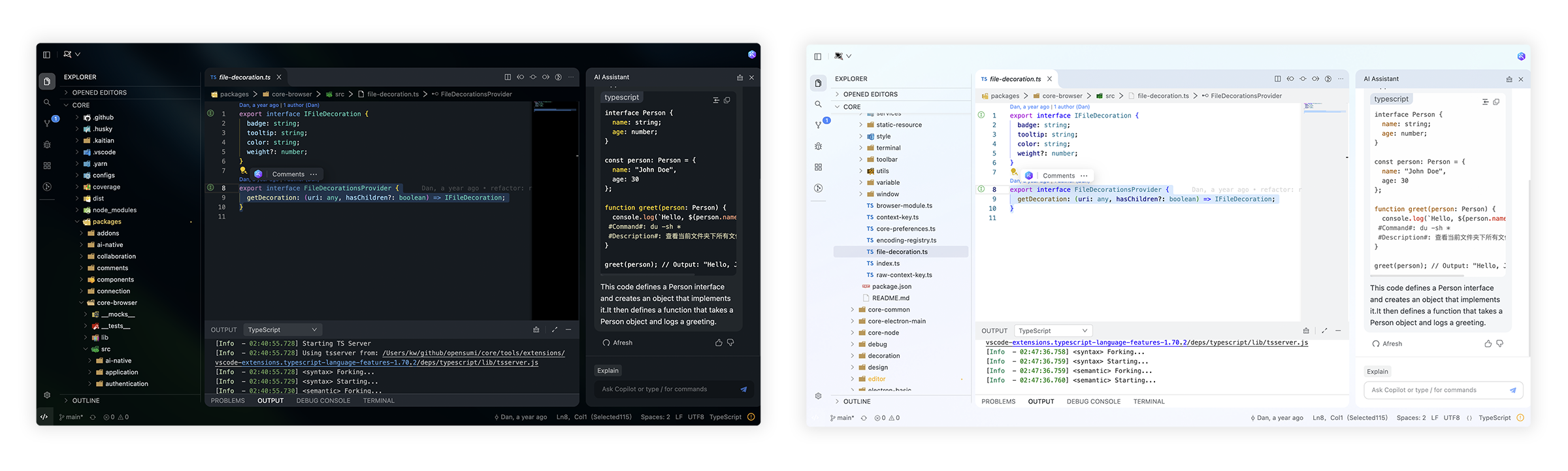
A framework helps you quickly build AI Native IDE products. MCP Client, supports Model Context Protocol (MCP) tools via MCP server.
Universal memory runtime for AI agents

🚀 The fast, Pythonic way to build MCP servers and clients.

Feedback widget with screenshots, annotations, and AI triage

Interactive documents from Markdown. Extends MD with forms, approvals, webhooks, and more — built for next gen apps
Ultra-lightweight, open-source, self-hosted personal AI agent framework in Python with WebUI, tools, memory, MCP, multi-agent workflows, automation, and chat apps
Neo.mjs is a self-evolving software organism: a professional end-to-end AI engineering team whose cross-model swarm inhabits live apps via Neural Link, Active Hybrid GraphRAG, DreamService, and self-healing loops.

1flowbase: self-hosted AI gateway with protocol translation, dispatch, chat logs, built-in backend & React blocks to combine AI with business data. All managed by your Agent via MCP.
Memori is agent-native memory infrastructure. A LLM-agnostic layer that turns agent execution and conversation into structured, persistent state for production systems. Built for enterprise, Memori works with the data infrastructure you already run, no rip-and-replace, and deploys across managed cloud, single-tenant cloud, VPC, and on-premises.