OKF (Open Knowledge Format): Durable, structured memory for AI agents. Author, validate, consume, and maintain portable knowledge bundles through an ecosystem of Skills, MCP, an interactive graph, TUI, CLI, Docker, and a Claude Code plugin. 100% local.
Dashboard for monitoring claude code sessions.
Unified execution environment for Python code, shell commands, and programmatic MCP tool calls.

Persistent Linux workspaces for agentic development.
Jira toolkit for terminals, coding assistants, and bots.
Switch between multiple Claude Code providers (Kimi, GLM, MiniMax, etc.) with a single command.
Multi-agent codebase review for PRs, CI, and downstream fork syncs.
flow + prompt = flompt - Visual AI Prompt Builder. Decompose, edit as flowchart, recompile into optimized machine-readable prompts
AI-powered multi-agent code review. Simulates a customizable team of Engineers performing code review with built-in discourse.
Cut context bloat in your AI-agent stack: find and safely prune unused skills, MCP servers and subagents from real transcript evidence
Cross-Code Organizer (formerly Claude Code Organizer): cross-harness config dashboard for Claude Code, Codex CLI, MCP servers, skills, memories, agents, sessions, security scanning, context budget, and backups.

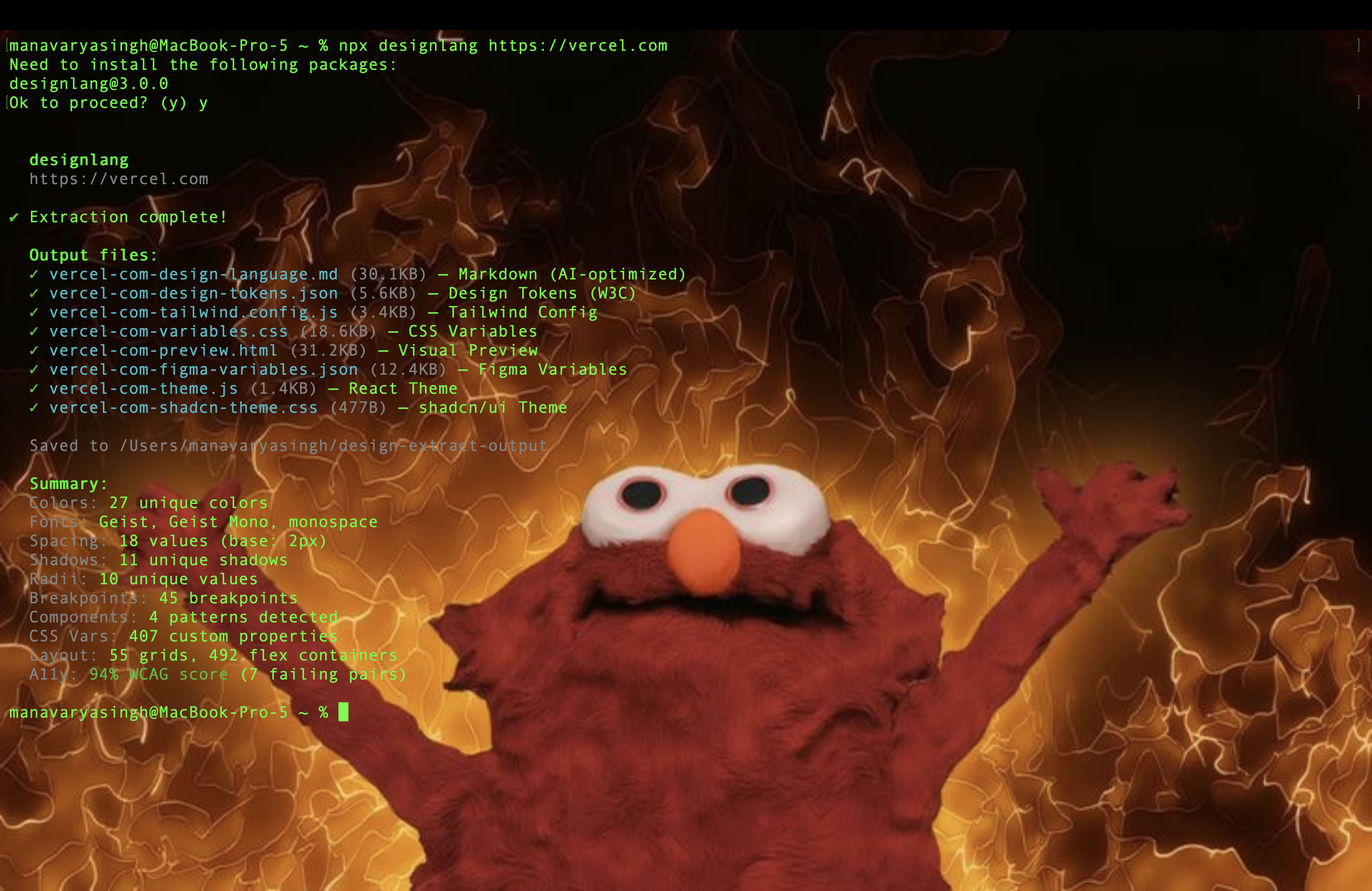
Extract any website's complete design system with one command. DTCG tokens, semantic+primitive+composite, MCP server for Claude Code/Cursor/Windsurf, multi-platform emitters (iOS SwiftUI, Android Compose, Flutter, WordPress), Tailwind v4, Figma variables, shadcn/ui, CSS health audit, WCAG remediation, Chrome extension. MIT, Playwright, Node 20+.
One memory shared by Claude Code, Codex, Cursor, Copilot CLI, OpenClaw and 20 more coding agents, built from the session history already on disk. A fix found in one agent comes back in any of them, including months of sessions from before you installed it. No LLM, no embeddings, one local Go binary.