
koala73/worldmonitorConnectors
Real-time global intelligence dashboard. AI-powered news aggregation, geopolitical monitoring, and infrastructure tracking in a unified situational awareness interface
86k
Nautex connects a coding agent to a project’s requirements, file map, and implementation plan through MCP. The setup flow writes agent config and rule files into the project so the agent can pull the next scope and follow the plan step by step.
Builders who want their coding agent to work from a project plan, file map, and synced requirements.
You can keep an agent aligned with the right files, tasks, and validation steps instead of re-explaining the project each time.
Pulls PRD and TRD guidance from Nautex into the project for the agent to use.
Links requirements to files and breaks work into coding, testing, and review tasks.
Writes MCP config and rules for Claude Code, Cursor, Codex, OpenCode, Gemini CLI, and Grok Build.
Stores project config in `.nautex/config.json` and token data in `.nautex/.env`.
Includes scripts to set up sessions and probe agent integrations.
uvx nautex setup --token <TOKEN> --project <PROJECT_ID> --plan <PLAN_ID> --agent <AGENT>
uvx nautex setup
curl -LsSf https://astral.sh/uv/install.sh | sh
powershell -ExecutionPolicy ByPass -c "irm https://astral.sh/uv/install.ps1 | iex"
This is an MCP server that integrates PRD and TRD building tool Nautex AI with the Coding Agents.
Supported agents:
Since LLM Coding Agents do not attend team meetings, there is the challenge of conveying complete and detailed product and technical requirements to them.
Nautex AI tool-chain manages step by step guiding of Coding Agents so they implement specification using small, relevant and testable steps.
Core principles are:
Nautex AI acts as an Architect, Technical Product Manager, and Project Manager for coding agents, speeding up AI-assisted development by communicating requirements effectively. This MCP server pulls guidance instructions from Nautex AI; tasks contain to-do items, references to the affected files, and requirements that are automatically synced for the Coding Agent's availability.
By Ivan Makarov
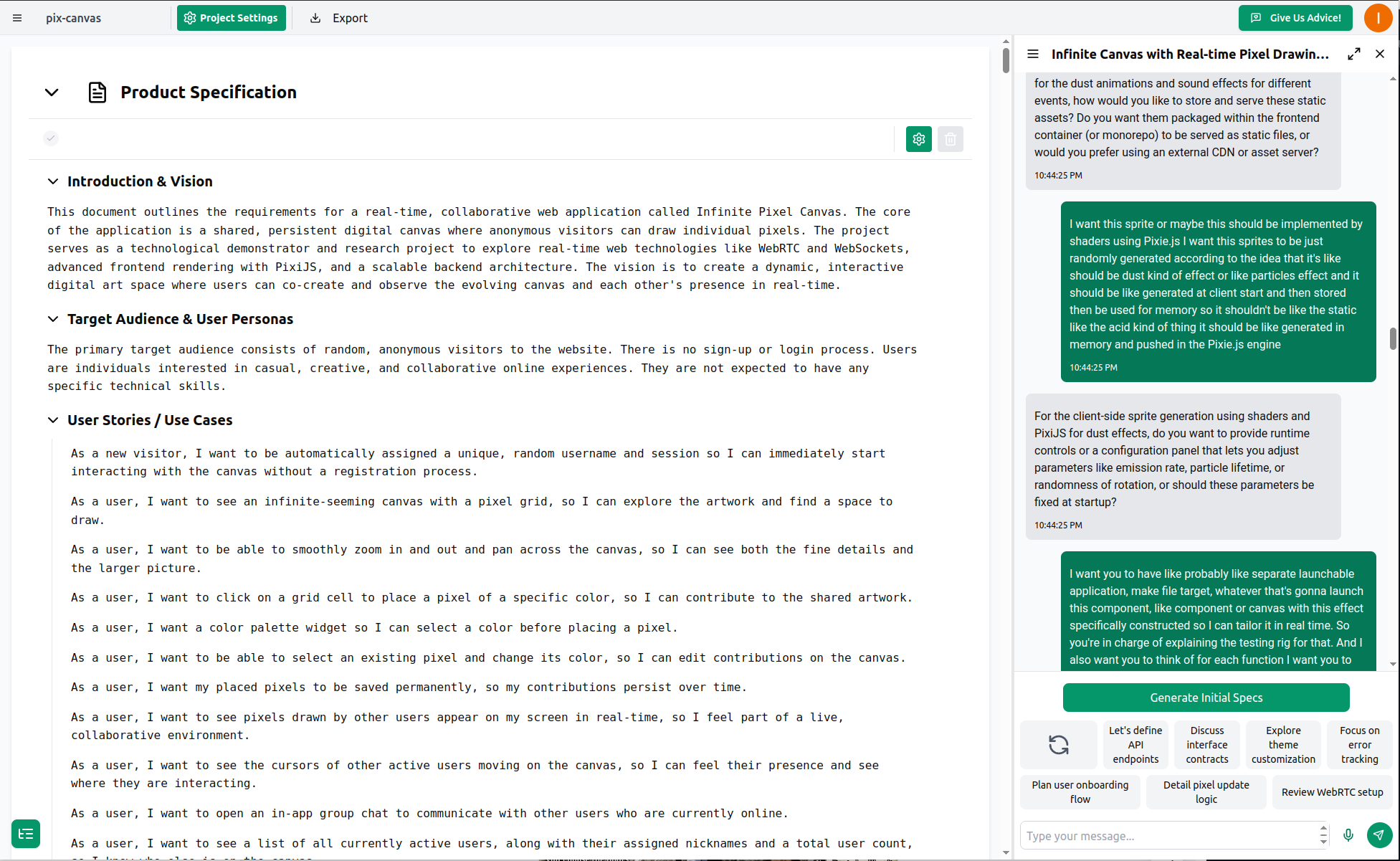
The chatbot conducts a briefing session with you, gathering questions and ideas until complete. It then generates comprehensive product and technical specifications.
(Example: A project I initiated to explore WebRTC.)
Product requirements:
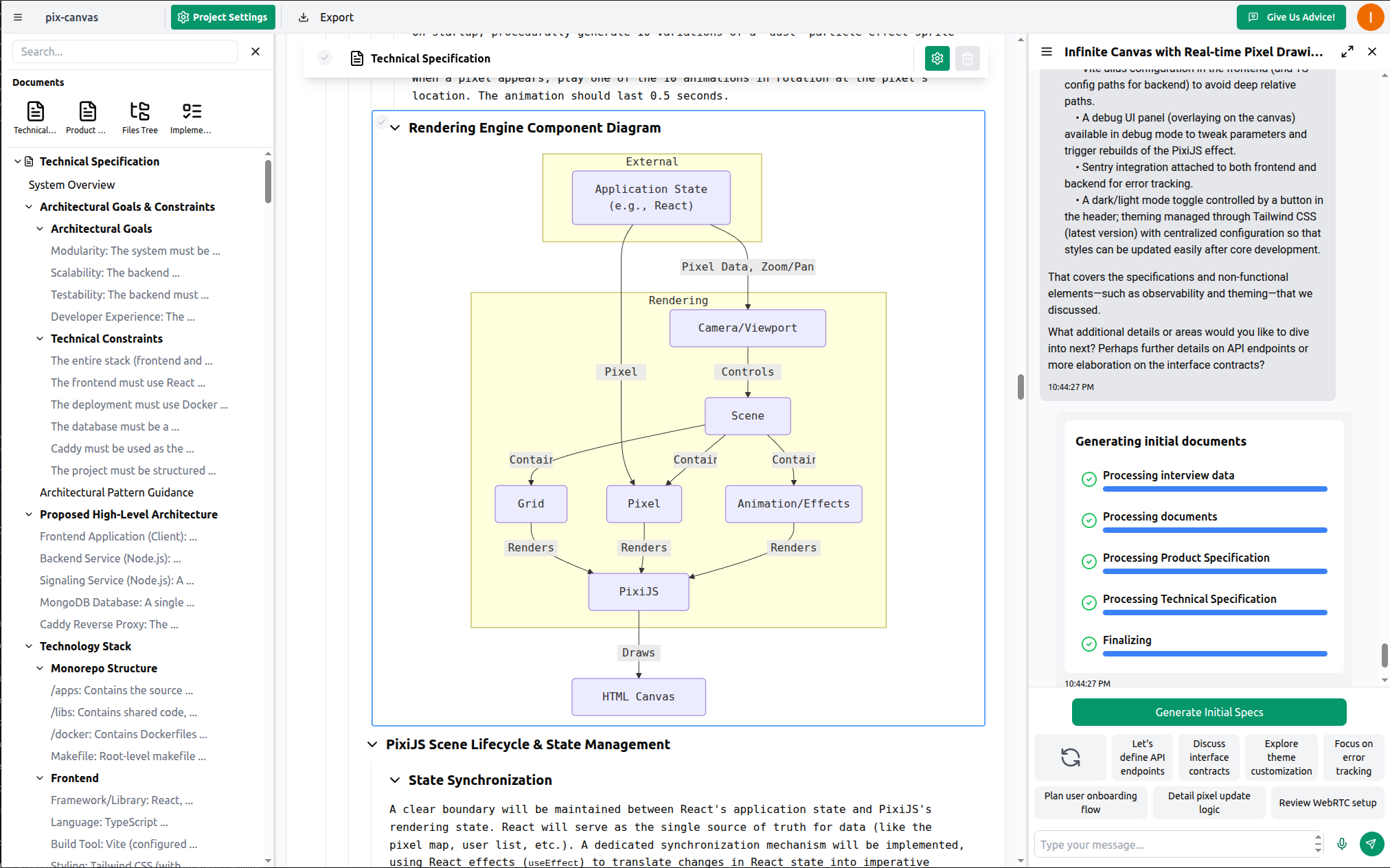
Technical requirements:
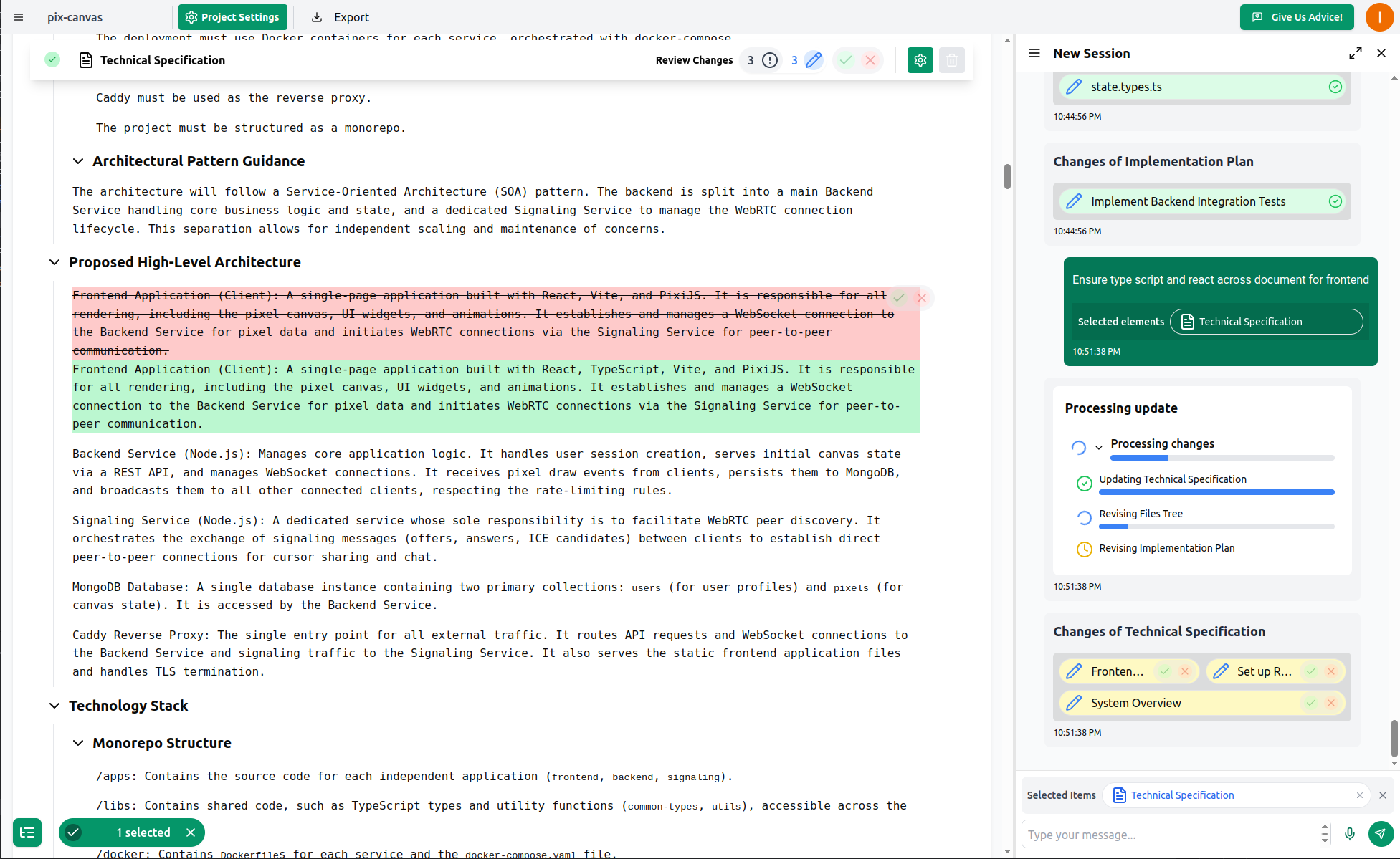
You fill in details, clarify the specification, and resolve any TODOs flagged by the chatbot during the interview.
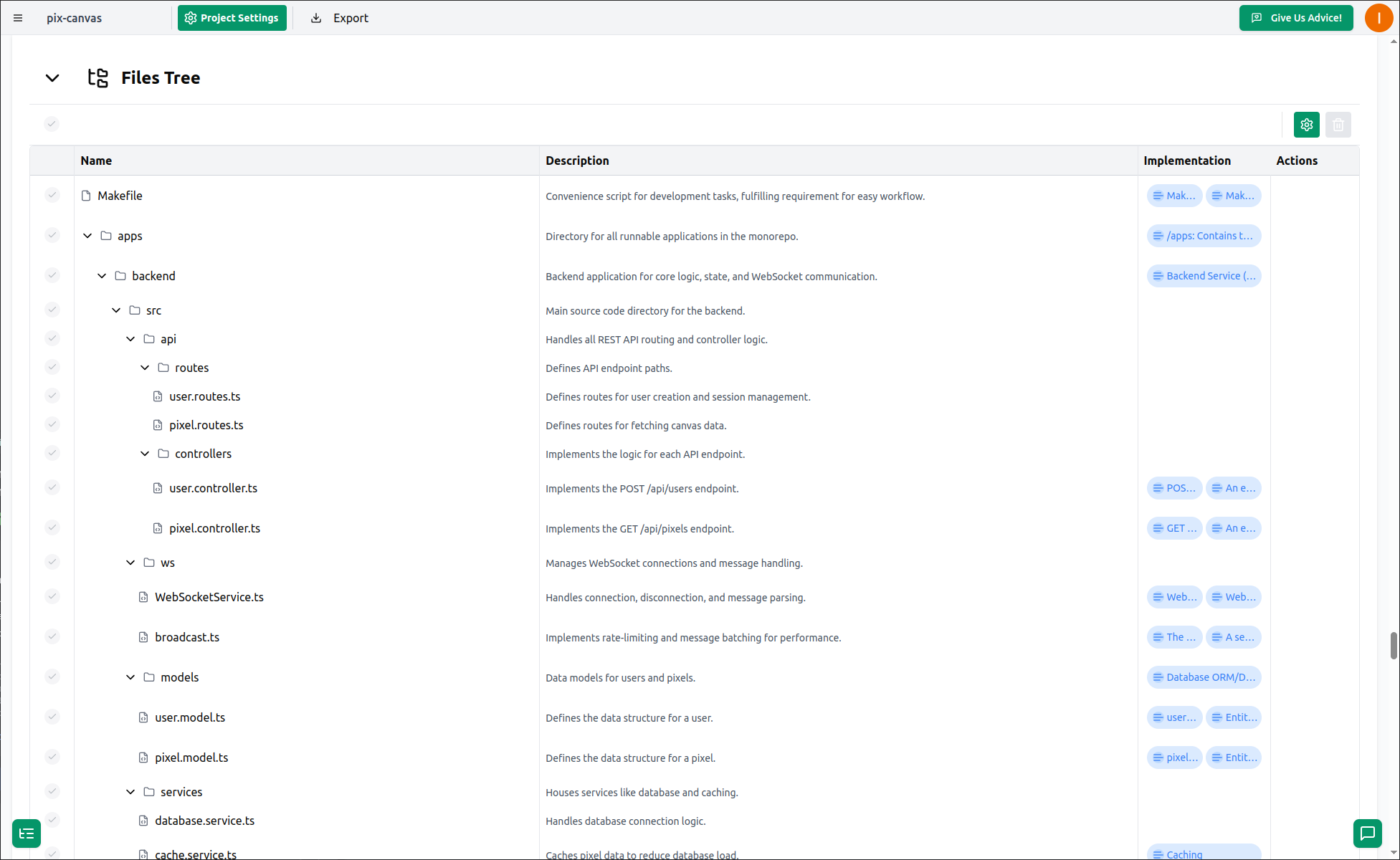
You'll occasionally need to review the code, so it's best to know in advance where to look and how everything is organized. This prevents the AI from making decisions—allowing it to focus on writing higher-quality code with greater attention to the task.
The image displays a file map generated by Nautex AI, with files linked to specific requirements and sections.
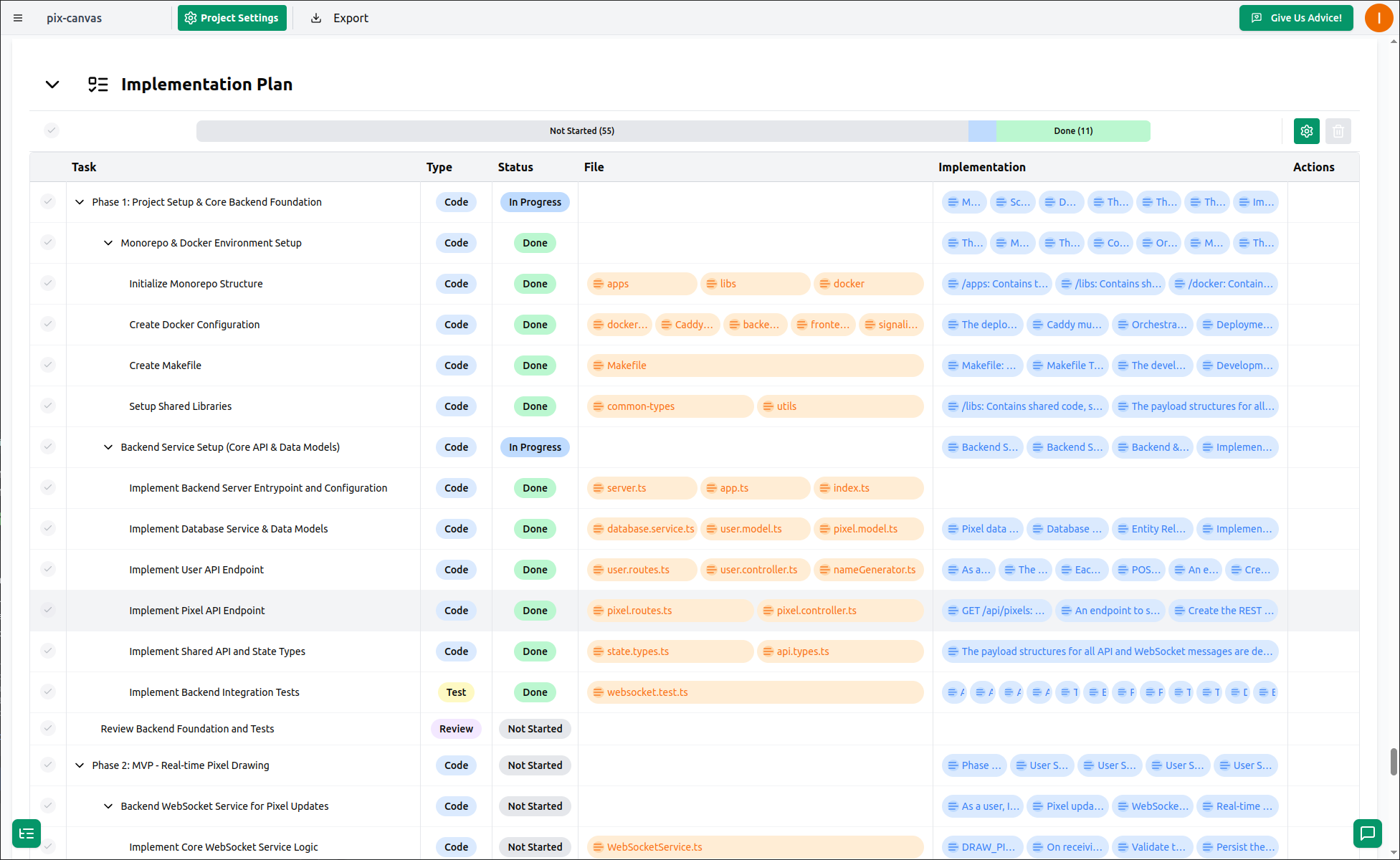
With the code location clarified, tasks are planned: Coding, Testing, and Review.
Reviews are scheduled early to demonstrate progress and verify alignment with goals.
The plan is structured in small, self-contained layers, building your project incrementally like floors in a skyscraper.
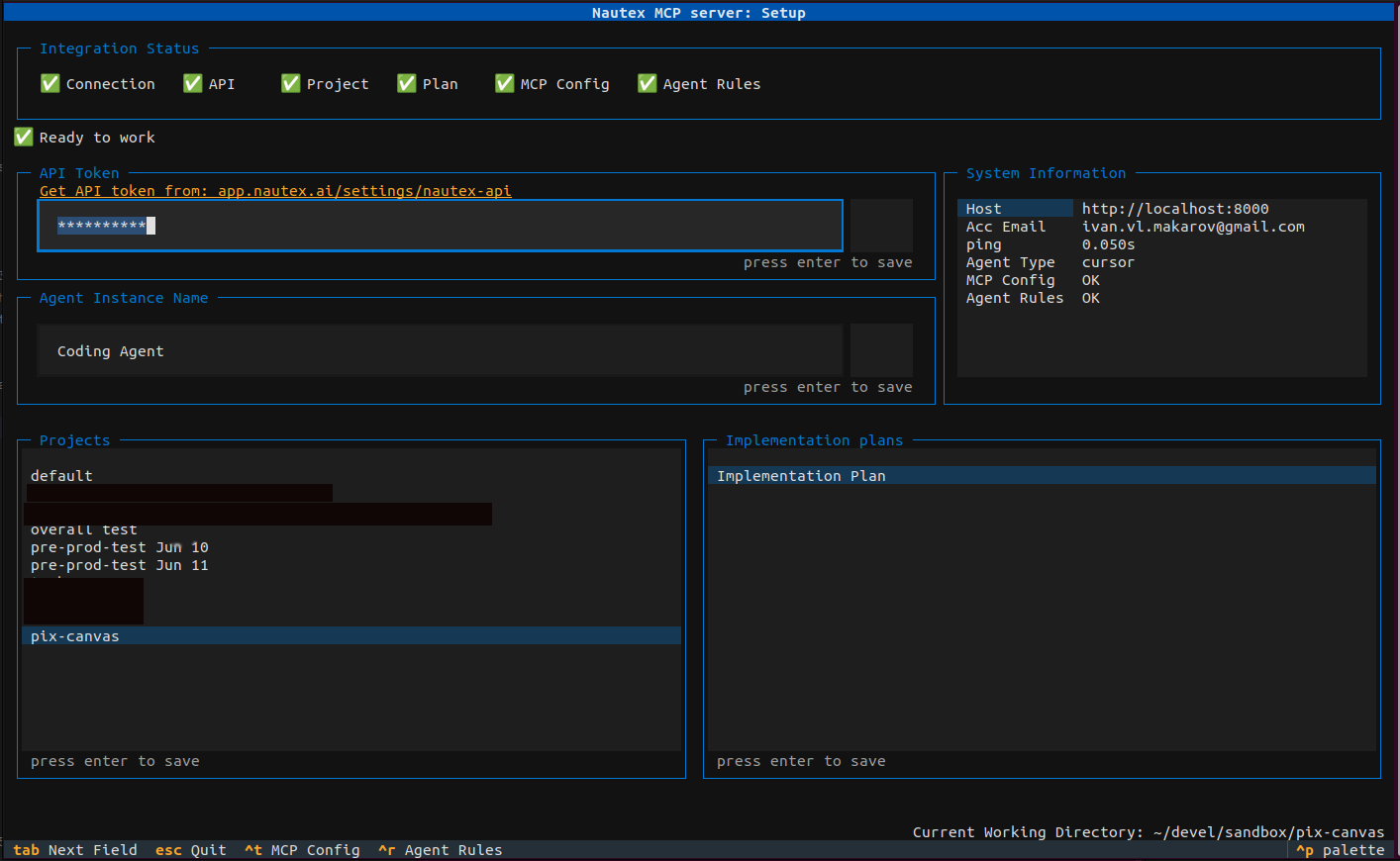
Configure the MCP server for your coding agent: connect to the Nautex cloud platform, select the project, and choose the implementation plan. The setup command writes all configuration to your project root.
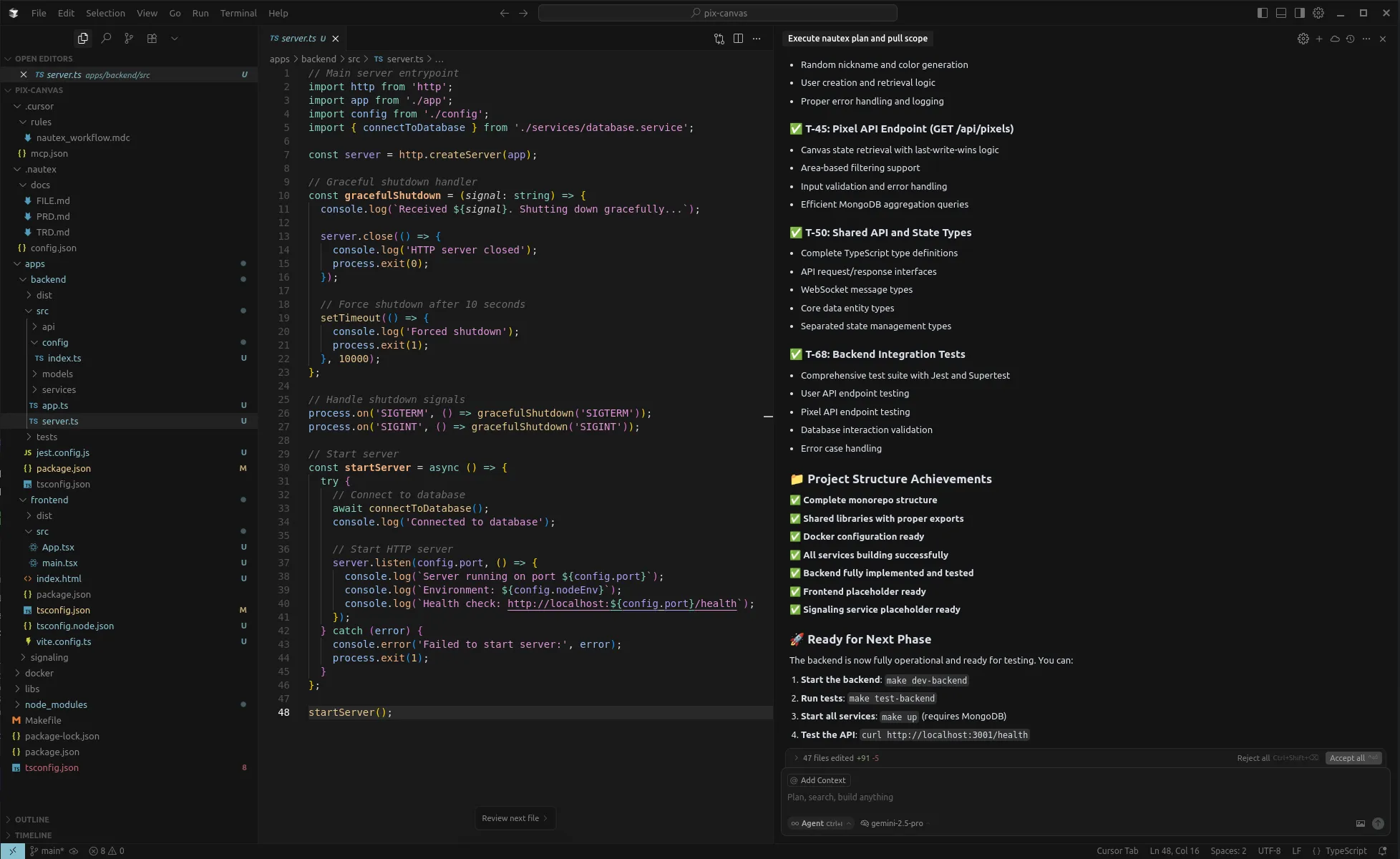
In agent mode, instruct: "pull nautex rules, and proceed with the next scope."
At this stage, your specifications are synchronized in the .nautex directory and accessible to the Coding Agent. The MCP server continuously monitors their relevance.
That's it. You then review and accept substantial code segments that fully align with your expectations and requirements.
The fastest way to set up is via the web app onboarding flow, which generates a single command you copy and run in your project root:
uvx nautex setup --token <TOKEN> --project <PROJECT_ID> --plan <PLAN_ID> --agent <AGENT>
Parameters:
| Flag | Description |
|---|---|
--token, -t | API token (create at nautex.ai) |
--project, -p | Project ID |
--plan, -l | Implementation plan ID |
--agent, -a | Agent type: claude, cursor, codex, opencode, gemini, grok |
--yes, -y | Skip confirmation prompts |
This validates your token, project, and plan, then writes all configuration to your project root:
.nautex/config.json — project config.nautex/.env — API token (git-ignored)Alternatively, run the interactive terminal UI:
uvx nautex setup
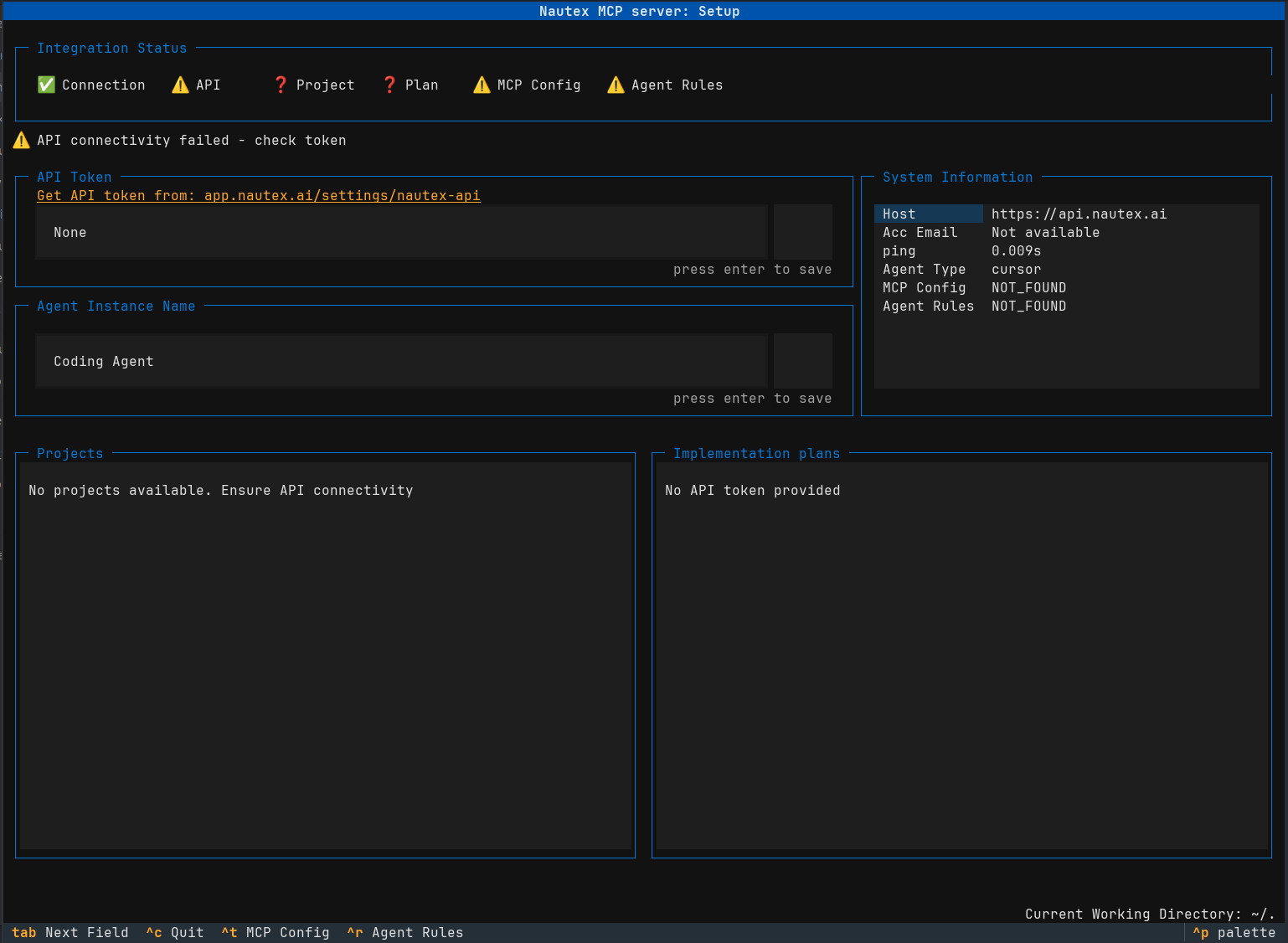
Follow the on-screen prompts to select your project, plan, and agent.
On macOS and Linux:
curl -LsSf https://astral.sh/uv/install.sh | sh
On Windows:
powershell -ExecutionPolicy ByPass -c "irm https://astral.sh/uv/install.ps1 | iex"
Check the latest instructions from the UV repo for details and updates.
All configuration is scoped per-project in your project root.
claude mcp add nautex -s local -- uvx nautex mcpCLAUDE.mdclaude mcp list and check for nautex: uvx nautex mcp.cursor/mcp.json.cursor/rules/nautex_workflow.mdcNote: After setup, Cursor may ask via popup whether to enable the new MCP — answer yes. In any case, go to File -> Preferences -> Cursor Settings -> Tools & Integrations and make sure the Nautex MCP toggle is enabled (green).
.codex/config.toml (project-local, backup created as config.toml.bak before first write)AGENTS.md/mcp command inside Codex to confirm nautex is listedopencode.json (project root, preserves unrelated fields, backup as opencode.json.bak if unparsable)AGENTS.mdstatus.gemini/settings.jsonGEMINI.md.grok/config.toml (project-local, backup created as config.toml.bak before first write; startup_timeout_sec = 20)AGENTS.mdgrok mcp list / grok mcp doctor nautex, or open /mcps in the Grok TUIOnce setup is complete, launch your coding agent and tell it:
Check nautex status
After confirming the connection works:
Pull nautex rules and proceed to the next scope
Proceed with the plan by reviewing progress and supporting the Agent with validation feedback and inputs.
Before running setup, prepare your project in the Nautex web app:
The web app onboarding flow will generate the setup command with all IDs pre-filled.

Sign in to join the discussion.
No comments yet. Be the first to say what this is good for.
Real-time global intelligence dashboard. AI-powered news aggregation, geopolitical monitoring, and infrastructure tracking in a unified situational awareness interface
High-performance code intelligence MCP server. Indexes codebases into a persistent knowledge graph — average repo in milliseconds. 158 languages, sub-ms queries, 99% fewer tokens. Single static binary, zero dependencies.
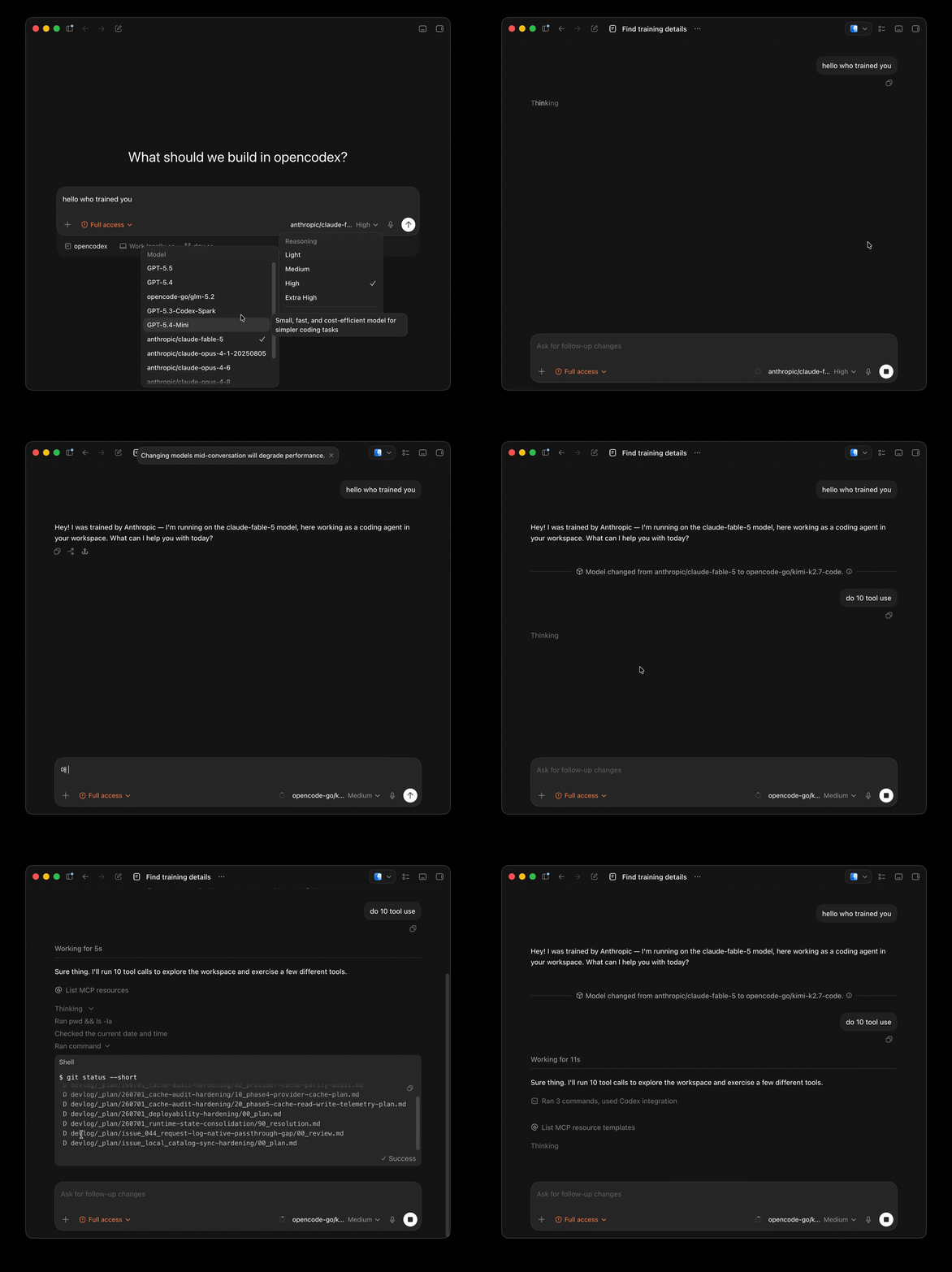
Universal provider proxy for OpenAI Codex & Claude Code — use any LLM (Claude, Gemini, Grok, DeepSeek, Ollama…) with Codex CLI, App, SDK, and Claude Code

Git-native persistent memory for AI coding agents. Implements Google OKF v0.2 with sub-300µs in-memory BM25 search, embedded MCP server, and progressive disclosure. Slashes token bloat by 80% with zero external databases or dependencies. Built in pure Go.

Local-first code intelligence graph for MCP and CLI. Builds a persistent map of your codebase so AI coding tools read only what matters, with benchmarked context reductions on reviews and large-repo workflows.

Stop your AI from making things up — it proposes, deterministic tools decide, every claim checked against ground truth with evidence. Grounded facts and context survive resets. Reverse engineering is the proving ground. MCP server + CLI.