

koala73/worldmonitorConnectors
Real-time global intelligence dashboard. AI-powered news aggregation, geopolitical monitoring, and infrastructure tracking in a unified situational awareness interface
86k
Gearboy is a cross-platform Game Boy emulator with built-in tooling for AI-assisted debugging. The MCP server exposes execution control, memory inspection, breakpoints, disassembly, hardware status, and rewind, and the repo also includes reusable agent skills for debugging and romhacking.
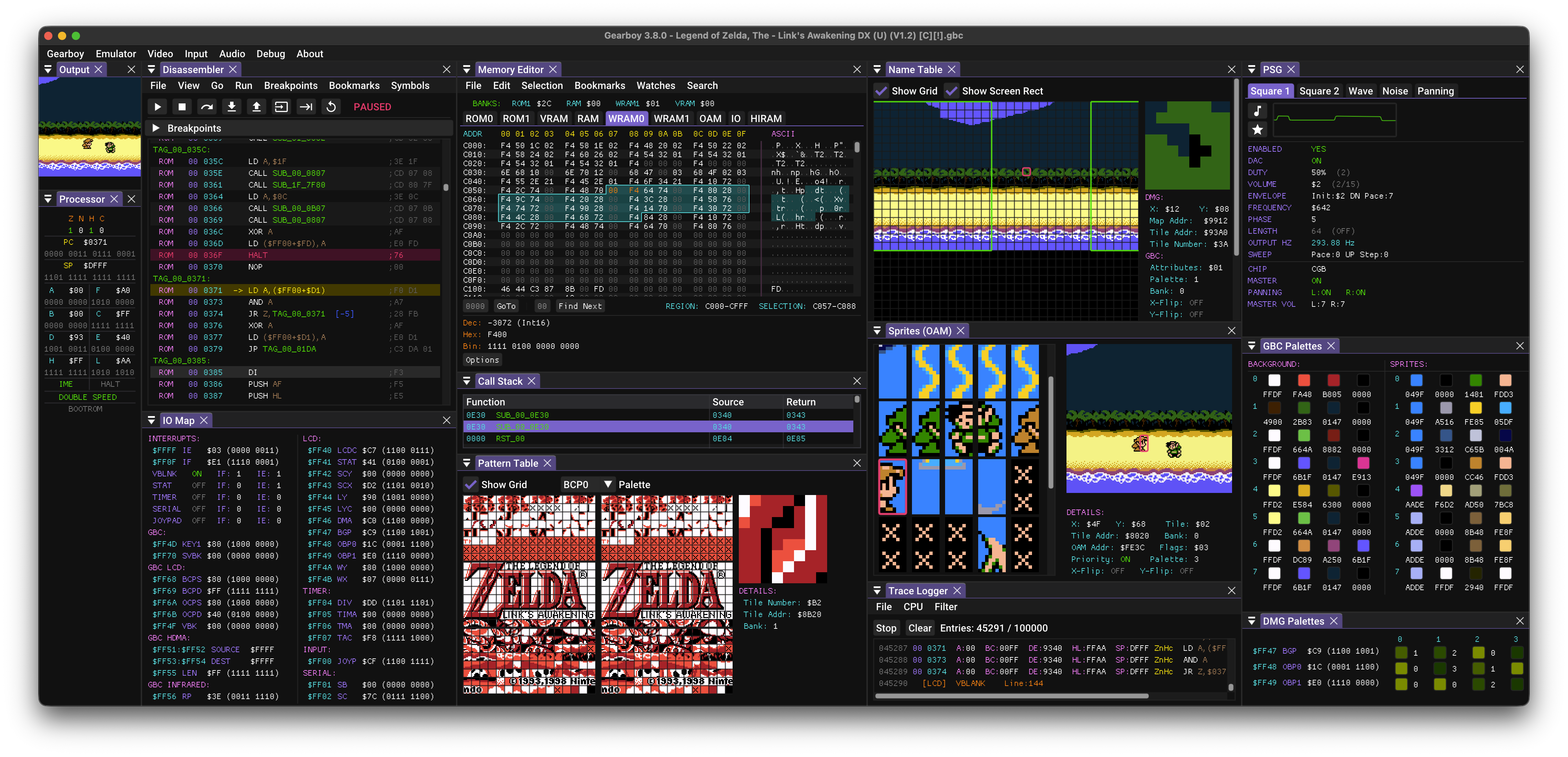
Builders who want an agent to debug Game Boy games, inspect emulator memory, or patch ROMs.
You can have an agent control the emulator and inspect game state instead of switching between manual debugging tools.
Provides STDIO and HTTP transport so agents can connect to the emulator for debugging tasks.
Lets an agent pause, step, run, and rewind while inspecting what the game is doing.
Exposes memory, breakpoints, disassembly, and hardware status through the MCP interface.
Includes `gearboy-debugging` and `gearboy-romhacking` skills for common emulator workflows.
Runs on Windows, macOS, Linux, BSD, and through RetroArch/libretro builds.
brew install sdl3
cd platforms/macos
make dist
sudo apt install build-essential libsdl3-dev
cd platforms/linux
make
sudo dnf install @development-tools gcc-c++ SDL3-devel
cd platforms/linux
make
sudo pacman -S base-devel sdl3
cd platforms/linux
make
su root -c "pkg install -y git gmake pkgconf sdl3"
cd platforms/bsd
USE_CLANG=1 gmake
su root -c "pkgin install gmake pkgconf SDL3"
cd platforms/bsd
gmake





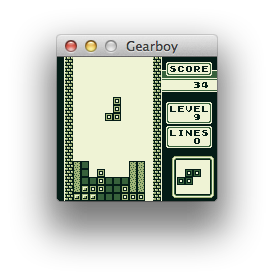
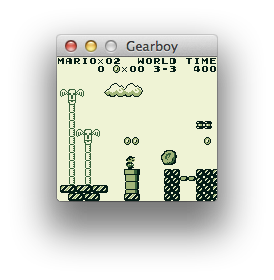
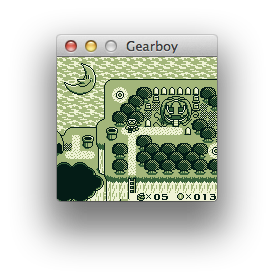
Gearboy is an accurate, cross-platform Game Boy / Game Boy Color / Super Game Boy emulator written in C++ that runs on Windows, macOS, Linux, BSD and RetroArch, with an embedded MCP server for AI debugging and development.
This is an open source project with its ongoing development made possible thanks to the support by these awesome backers. If you find it useful, please consider sponsoring.
Don't hesitate to report bugs or ask for new features by opening an issue.
| Platform | Architecture | Download Link |
|---|---|---|
| Windows | Desktop x64 | Gearboy-3.8.15-desktop-windows-x64.zip |
| Desktop ARM64 | Gearboy-3.8.15-desktop-windows-arm64.zip | |
| macOS | Homebrew | brew install --cask drhelius/geardome/gearboy |
| Desktop Apple Silicon | Gearboy-3.8.15-desktop-macos-arm64.zip | |
| Desktop Intel | Gearboy-3.8.15-desktop-macos-intel.zip | |
| Linux | Ubuntu PPA | drhelius/ppa-geardome |
| Fedora RPM | drhelius/rpm-geardome | |
| Desktop Ubuntu 24.04 x64 | Gearboy-3.8.15-desktop-ubuntu24.04-x64.zip | |
| Desktop Ubuntu 22.04 x64 | Gearboy-3.8.15-desktop-ubuntu22.04-x64.zip | |
| Desktop Ubuntu 24.04 ARM64 | Gearboy-3.8.15-desktop-ubuntu24.04-arm64.zip | |
| MCPB | All platforms | MCP Readme |
| RetroArch | All platforms | Libretro core documentation |
| Dev Builds | All platforms | GitHub Actions |
Notes:
brew trust --tap drhelius/geardomelibsdl3--portable, or create an empty file named portable.ini in the same directory as the application binary. On macOS, place the file next to the .app bundle.Link Cable menu in two desktop instances, select the same session, and connect both, or start each process with --link-cable-join N. Independent instances should use separate application copies or --portable data directories so configuration, saves, and single-instance handling do not conflict.Emulator menu. When enabled, opening a ROM while another instance is running will send the ROM to the running instance instead of starting a new one.path_to_rom_file.gb it tries to load path_to_rom_file.sym. You can also load a symbol file using the GUI or the CLI. It supports RGBDS, GBDK-2020, WLA-DX, no$gmb, SDCC/NoICE (.noi), EQU and generic file formats.gearboy [options] [rom_file] [symbol_file]
Arguments:
[rom_file] ROM file: accepts ROMs (.gb, .dmg, .gbc, .cgb, .sgb) or ZIP (.zip)
[symbol_file] Optional symbol file for debugging
Options:
-f, --fullscreen Start in fullscreen mode
-w, --windowed Start in windowed mode with menu visible
--mcp-stdio Auto-start MCP server with stdio transport
--mcp-http Auto-start MCP server with HTTP transport
--mcp-router Enable compact MCP tool routing
--mcp-http-address A HTTP bind address (default: 127.0.0.1)
--mcp-http-port N HTTP port for MCP server (default: 7777)
--link-cable-join N Join local link cable session 1-255
--headless Run without GUI (requires MCP or link cable)
--portable Store configuration and user data beside the application
-v, --version Display version information
-h, --help Display this help message
Gearboy includes a Model Context Protocol (MCP) server that enables AI-assisted debugging through AI agents like GitHub Copilot, Claude, Codex and similar. The server provides tools for execution control, memory inspection, breakpoints, disassembly, hardware status, and more. STDIO and HTTP transports are supported, with STDIO preferred.
For complete setup instructions and tool documentation, see MCP_README.md.
Gearboy provides Agent Skills that teach AI assistants how to effectively use the emulator for specific tasks:
Install with npx skills add drhelius/gearboy. See the skills README for details.
SDL3-devel-x.y.z-VC.zip).SDL3-x.y.z) to SDL3.SDL3 folder inside platforms/windows/dependencies/ so that the include path is platforms/windows/dependencies/SDL3/include/SDL3/.platforms/windows/Gearboy.sln and build.xcode-select --install in the terminal for the compiler to be available on the command line.brew install sdl3
cd platforms/macos
make dist
If you are using Ubuntu 25.04 or later, you can install SDL3 directly. Use the following commands to build:
sudo apt install build-essential libsdl3-dev
cd platforms/linux
make
For older Ubuntu versions (22.04, 24.04), you need to build SDL3 from source first. Use the following commands to build both SDL3 and Gearboy:
sudo apt install build-essential cmake git curl jq pkg-config \
  libx11-dev libxext-dev libxrandr-dev libxcursor-dev libxfixes-dev \
  libxi-dev libxss-dev libxkbcommon-dev libwayland-dev libdecor-0-dev \
  libdrm-dev libgbm-dev libgl1-mesa-dev libegl1-mesa-dev libdbus-1-dev libudev-dev libxtst-dev
SDL3_TAG=$(curl -s https://api.github.com/repos/libsdl-org/SDL/releases/latest | jq -r '.tag_name')
git clone --depth 1 --branch "$SDL3_TAG" https://github.com/libsdl-org/SDL.git /tmp/SDL3
cmake -S /tmp/SDL3 -B /tmp/SDL3/build -DCMAKE_INSTALL_PREFIX=/usr -DSDL_TESTS=OFF -DSDL_EXAMPLES=OFF
cmake --build /tmp/SDL3/build -j$(nproc)
sudo cmake --install /tmp/SDL3/build
cd platforms/linux
make
sudo dnf install @development-tools gcc-c++ SDL3-devel
cd platforms/linux
make
sudo pacman -S base-devel sdl3
cd platforms/linux
make
su root -c "pkg install -y git gmake pkgconf sdl3"
cd platforms/bsd
USE_CLANG=1 gmake
su root -c "pkgin install gmake pkgconf SDL3"
cd platforms/bsd
gmake
doas pkg_add gmake sdl3
cd platforms/bsd
LDFLAGS=-L/usr/X11R6/lib/ USE_CLANG=1 gmake
sudo apt install build-essential
cd platforms/libretro
make
sudo dnf install @development-tools gcc-c++
cd platforms/libretro
make
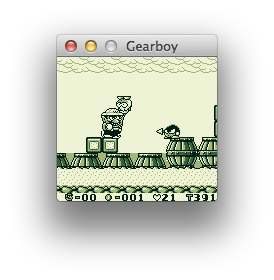
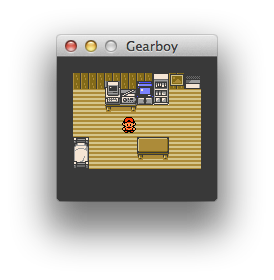
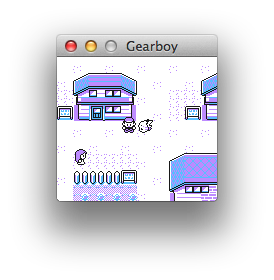
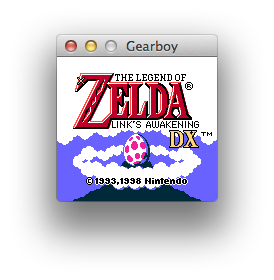
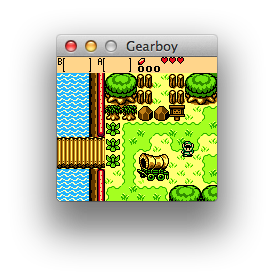
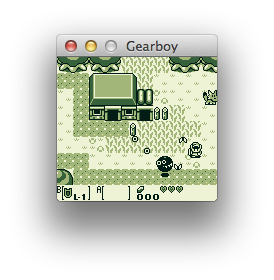
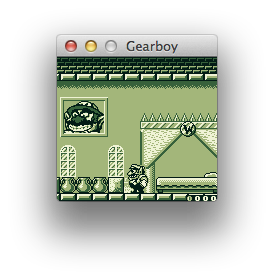
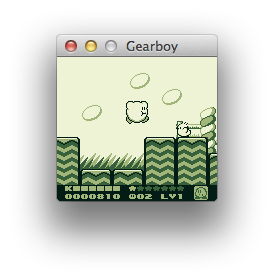
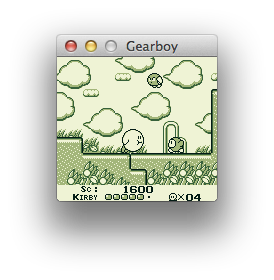
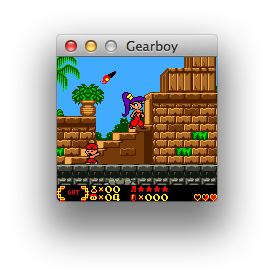
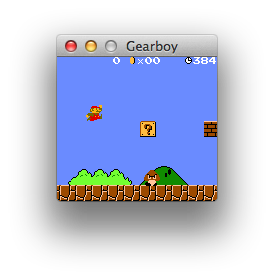
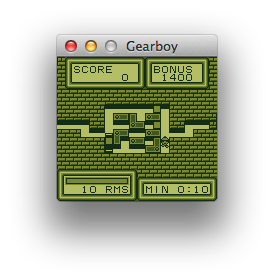
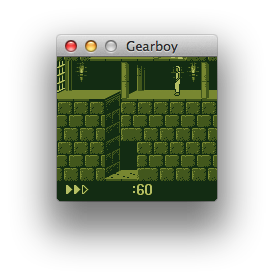
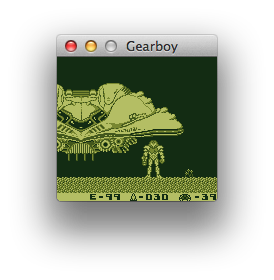
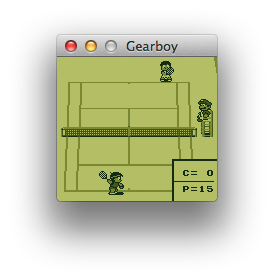
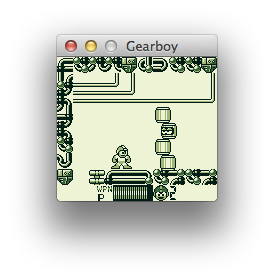

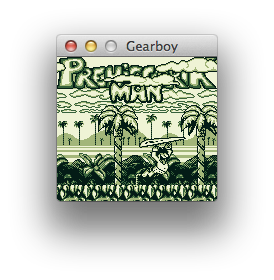
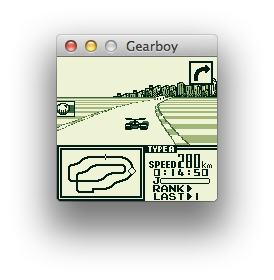
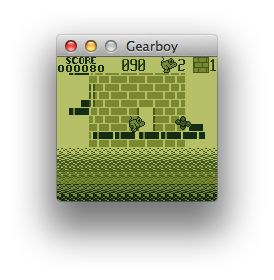
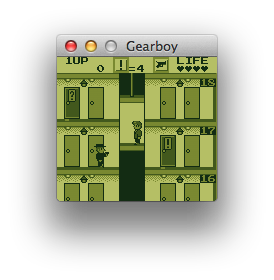
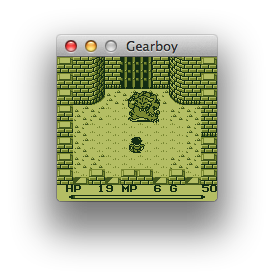
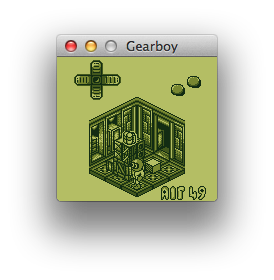
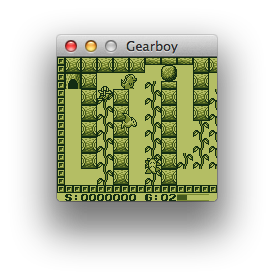
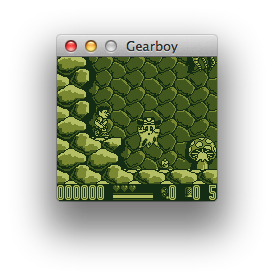
Thank you to all the people who have already contributed to Gearboy!
Gearboy is licensed under the GNU General Public License v3.0 License, see LICENSE for more information.
Sign in to join the discussion.
No comments yet. Be the first to say what this is good for.
Real-time global intelligence dashboard. AI-powered news aggregation, geopolitical monitoring, and infrastructure tracking in a unified situational awareness interface
High-performance code intelligence MCP server. Indexes codebases into a persistent knowledge graph — average repo in milliseconds. 158 languages, sub-ms queries, 99% fewer tokens. Single static binary, zero dependencies.
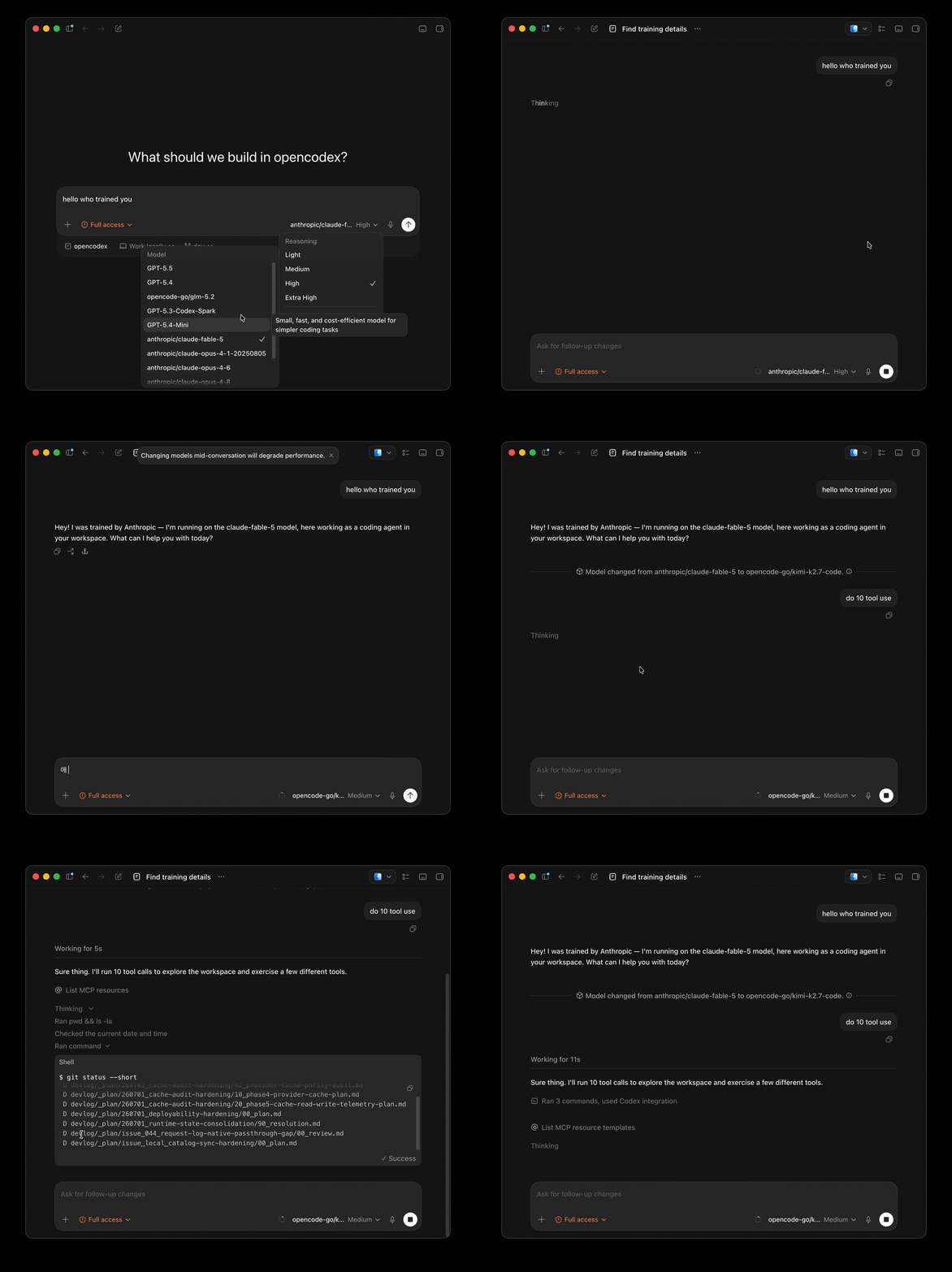
Universal provider proxy for OpenAI Codex & Claude Code — use any LLM (Claude, Gemini, Grok, DeepSeek, Ollama…) with Codex CLI, App, SDK, and Claude Code

Git-native persistent memory for AI coding agents. Implements Google OKF v0.2 with sub-300µs in-memory BM25 search, embedded MCP server, and progressive disclosure. Slashes token bloat by 80% with zero external databases or dependencies. Built in pure Go.

Local-first code intelligence graph for MCP and CLI. Builds a persistent map of your codebase so AI coding tools read only what matters, with benchmarked context reductions on reviews and large-repo workflows.

Stop your AI from making things up — it proposes, deterministic tools decide, every claim checked against ground truth with evidence. Grounded facts and context survive resets. Reverse engineering is the proving ground. MCP server + CLI.