
RightNow-AI/openfangFrameworks & SDKs
Open-source Agent Operating System
18k
Open-source Agent Operating System

The system of action for AI-native cybersecurity—where intent becomes governed execution, evidence becomes operational memory, and every operation improves the next.

Sovereign Digital Twins that execute operational processes inside secure, audited environments.

Launch and manage anti-detect browsers with unique real-device fingerprints for multi-account operations, web scraping, ad verification, and AI agent automation.

The theory of LLM wikis, running as one. A framework for agent-operated knowledge: typed, linked, review-gated markdown your agents execute.

Turn scattered knowledge, operational data, and history into source-linked context that your agents can inspect, explain, and reuse.

The AI Operating System for Delphi. 100% native framework with RAG 2.0, autonomous agents, MCP protocol, and universal LLM connector. Supports OpenAI, Claude, Gemini, Ollama, and more. Delphi 10.4+ (limited), full support from Delphi 12 Athens.
Write detections, investigate alerts, and query logs from your favorite AI agents
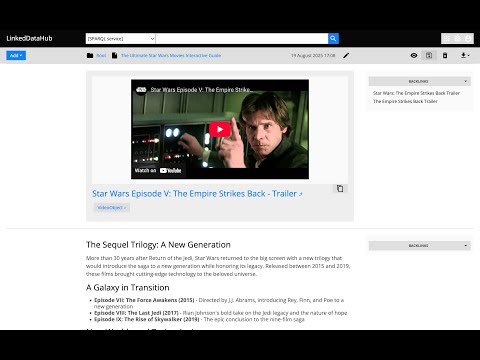
Suite of generic Linked Data/SPARQL as well as LinkedDataHub-specific MCP tools

MCP Server for Wazuh SIEM

A MCP server that supports mainstream eBook formats including EPUB, PDF and more. Simplify your eBook user experience with LLM.

This is the official website for TuriX Computer-use-Agent

Self-hosted agent OS with skills, workflows, MCP, and second brain storage.
Composable mathematics tools for agents

MCP servers for Google SecOps, GTI, SOAR, and SCC.
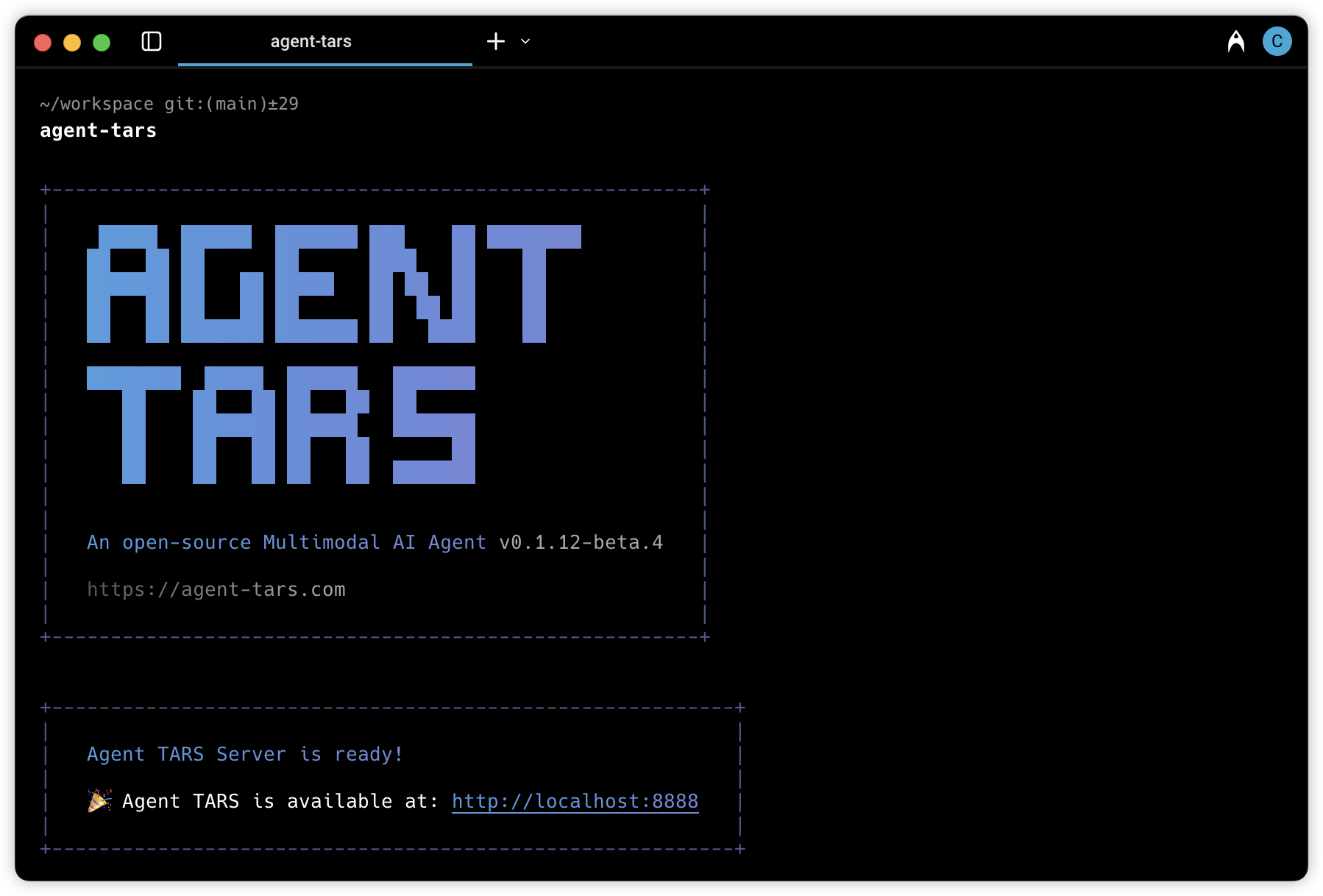
The Open-Source Multimodal AI Agent Stack: Connecting Cutting-Edge AI Models and Agent Infra

Model Context Protocol server that packages GDAL-style geospatial workflows through Python-native libraries (Rasterio, GeoPandas, PyProj, etc.) to give AI agents catalog discovery, metadata intelligence, and raster/vector processing with built-in reasoning guidance and reference resources.
The Okta MCP Server is a groundbreaking tool built by the team at Fctr that enables AI models to interact directly with your Okta environment using the Model Context Protocol (MCP). Built specifically for IAM engineers, security teams, and Okta administrators, it implements the MCP specification to help work with Okta enitities