SponsioLabs/SponsioFrameworks & SDKs
Deterministic safety solutions for probabilistic AI agents
440
Deterministic safety solutions for probabilistic AI agents

The Loop Engine for Claude Code — engineer the loop, not the prompt. 1 router · 9 agents · 16 skills · 4 workflows. Fail-closed gates, test honesty, anti-anchored review.
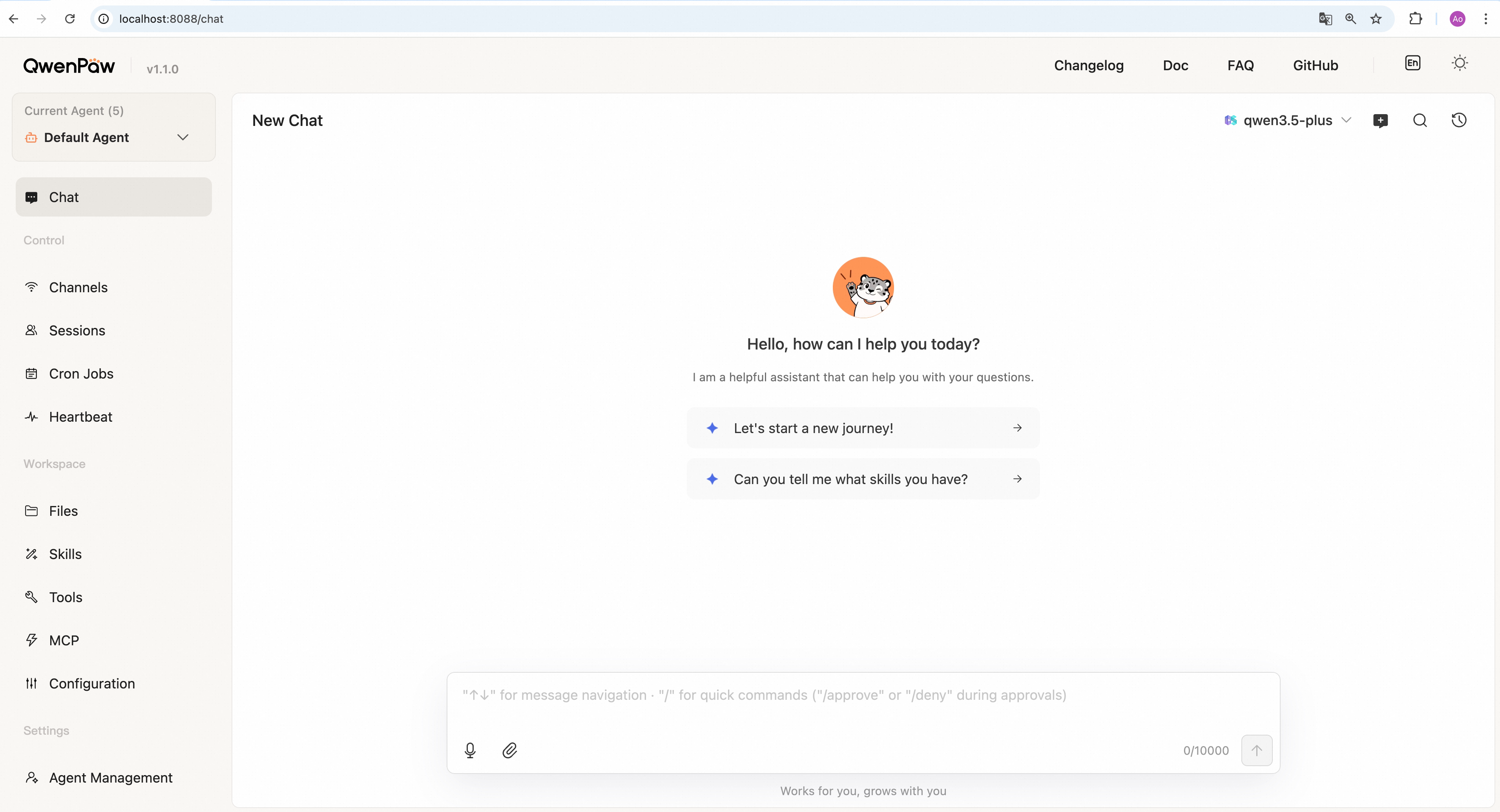
Your Personal AI Assistant; easy to install, deploy on your own machine or on the cloud; supports multiple chat apps with easily extensible capabilities.
A curated collection of resources for 🌌 Azure OpenAI, 🦙 LLMs (+RAG, Agents). Monthly Updates.
🤯 LobeHub is your Chief Agent Operator, organizing your agents into 7×24 operations by hiring, scheduling, and reporting on your entire AI team.
Native-session control plane for Codex, Claude Code, OpenCode, OMP and PI. Run, resume and hand off coding sessions across your machines.
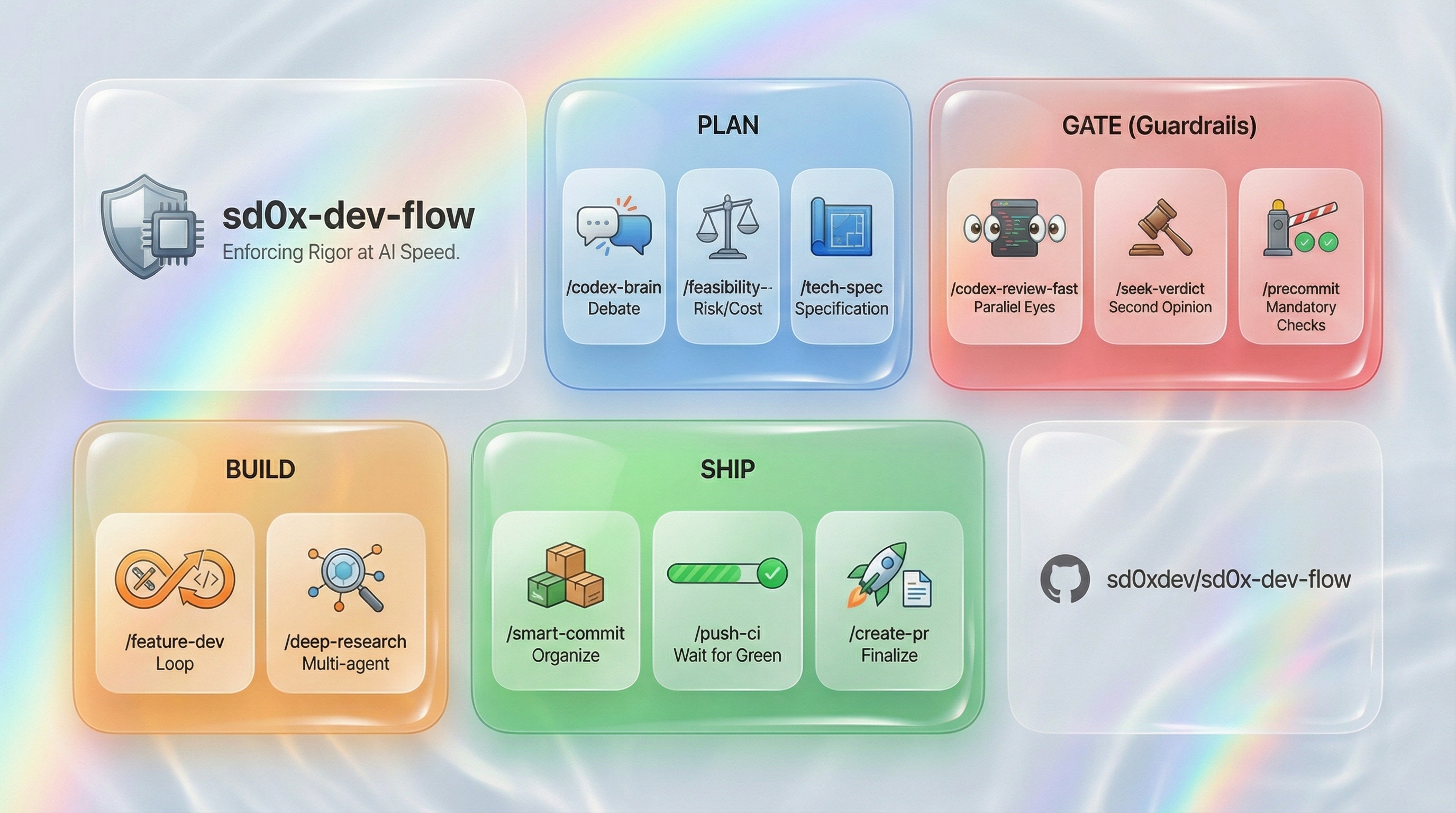
The harness layer for Claude Code — a reference implementation of harness engineering with hook-enforced dual review, state-machine gates that survive context compaction, and fail-closed safety where it counts. Quality gates that AI can't skip.
✨ All your agents and workspaces in one place, on every device you own. Track tasks on a board, accessible from desktop, mobile, browser, or API. Self-hosted.

Turn Pi into el Gentleman: a senior-architect development harness with SDD/OpenSpec, subagents, strict TDD evidence, review guardrails, and skill discovery.
Local-first, self-hosted AI agent runtime and MCP bridge with sandboxed sessions, memory, credentials, audit/replay, and a local Console.

Give AI agents ambitious work without losing the plot. nac is an open-source harness for long-running tasks, using a central orchestrator, threads, and structured episodes to stay aligned with your intent.

EOC: open-source operating system for OpenAI Codex workflows with agents, skills, hooks, rules, memory, safety gates, and cross-harness adapters.

Adam Framework for OpenClaw — 5-layer persistent memory and identity architecture for AI agents. Production-validated over 353+ sessions. First documented case of emergent values in persistent AI, quantum-verified on IBM hardware.
AI coding agent with one Python core and three front-ends — headless CLI, Textual TUI, and an Electron desktop. Works with any OpenAI-compatible API, with risk-tiered permissions, event-sourced replayable sessions, and a fail-closed OS-level sandbox.

Open-source agentic workspace enterprises can make their own. Connect the systems you already run — 100+ integrations, MCP, chat tools, apps, browser, local files — with shared memory. Any agent (Claude Code, Codex), any model, or BYOK. Set up in clicks, not months. Local-first: your data never leaves your machines.

The long-horizon computer-use harness. Run AI agents across desktop apps and the CLI for extended periods while preserving task state and making reliable progress on complex workflows. Features fresh-context execution, durable verified state, independent auditing, recoverable progress, and native Claude Code / Codex / OpenClaw integration.
Fable-style spec + evidence gate for Claude Code + Codex. Makes Opus/Codex work under Fable-like discipline: blocks every edit until a deterministic spec passes, and there is no "done" without live acceptance evidence. Spec-first, verification-gated, forbidden-paths enforced.