agenvoy/AgenvoyHarnesses
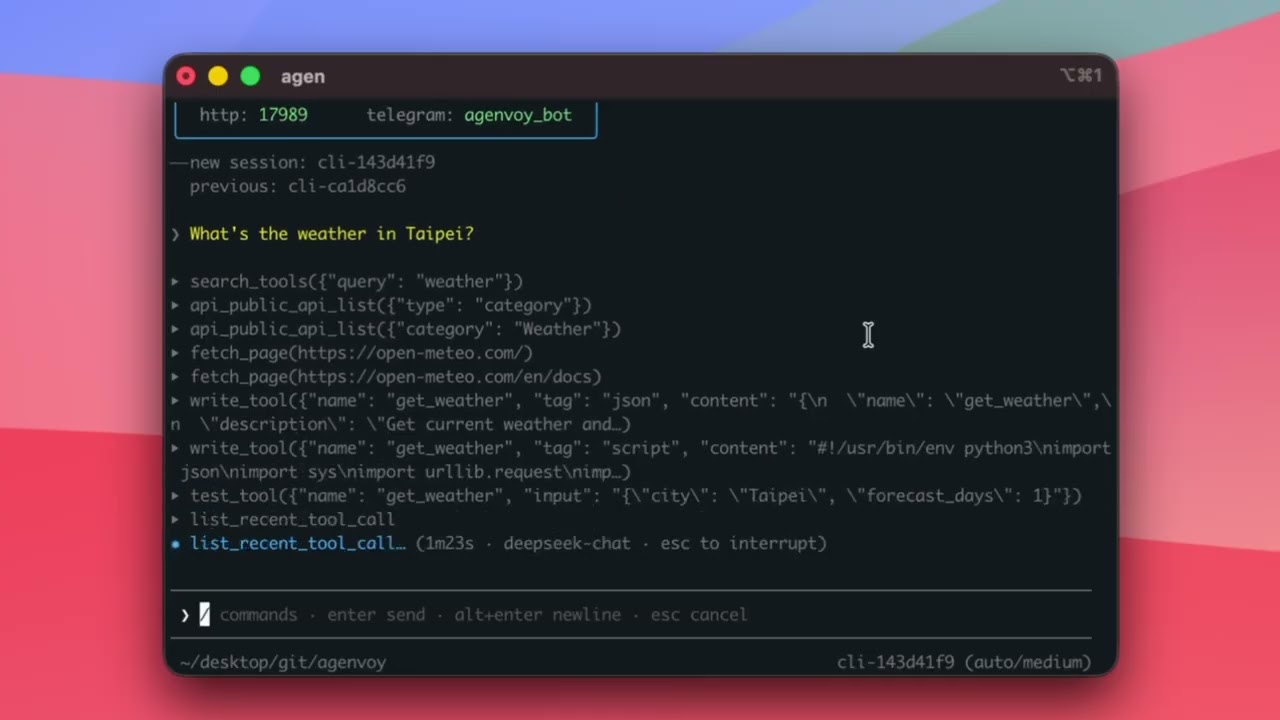
Self-hosted AI agent harness in a single Go binary — writes, sandbox-tests and repairs its own tools, and lets Claude Code, Codex and any MCP client build and share them.
508
Self-hosted AI agent harness in a single Go binary — writes, sandbox-tests and repairs its own tools, and lets Claude Code, Codex and any MCP client build and share them.
YAO = Yielding AI Outcomes. A rigorous engineering, evaluation, governance, and portability system for reusable agent skills.

Governance standard and reference toolset for LLM-maintained knowledge corpora
A disciplined methodology for AI-assisted software development. Covers architectural constraints, validation hooks, session governance, and PAG (Pattern Abstract Grammar) for structured AI collaboration. Copy claude-setup/ into your project to start.

A universal scaffold for AI-assisted game development. 42 agents, 51 commands, 86 skills. Multi-engine (Unity, Unreal, Godot, HTML). Multi-harness (Claude Code, Codex, Cursor, OpenCode, Kiro).

A human-governed AI coding workflow that distills ephemeral session context into persistent project memory—making work traceable, reviewable, and resumable.

Spec-driven, agentic workflow framework for AI coding agents. Turn a request into a verifiable goal loop — plan, act, verify — with durable specs and evidence in your repo. Works with Claude Code, Codex, Gemini, OpenCode, and plain CLI.
Harness engineering applied to knowledge production: a self-evolving multi-agent newsroom that turns your documents into a cross-linked markdown wiki. A "reground" loop pulls published pages back in before they go stale — writer ≠ reviewer, local-first, a structured alternative to RAG.