
obra/
superpowers

obra/superpowersSkills
An agentic skills framework & software development methodology that works.
285k
1 add
PencilPlaybook adds a design playbook to Claude Code for Pencil.dev sessions. It combines perceptual design rules, canvas workflows, and preset systems so Claude can inspect, edit, and scaffold UI with more consistent taste.
Builders who use Claude Code and Pencil.dev to design or revise UI screens.
You can get more consistent, perceptually grounded UI changes without re-explaining design rules each time.
Bakes in rules for opacity, hover contrast, body text on dark backgrounds, letter spacing, and touch target size.
Guides Claude to inspect a `.pen` canvas and list screens and tokens before editing.
Helps Claude push color and font changes across a canvas instead of changing elements one by one.
Finds empty space and places new screens without overlap when a canvas grows.
Pulls design patterns for page types Claude has not seen before.
Audits a canvas for consistency before token replacement or larger refactors.
Includes Midnight, Ember, Grove, Bloom, Volt, Material, and Minimal presets for setup.
Provides nine ready-made layout patterns such as dashboard, list, detail, marketing page, modal, wizard, mobile, form, and empty state.
# Global — available in every project
git clone https://github.com/stevembarclay/pencilplaybook ~/.claude/skills/PencilPlaybook

# Per-project — only available in this repo
git clone https://github.com/stevembarclay/pencilplaybook .claude/skills/PencilPlaybook
In Claude Code, say: run the PencilPlaybook setup wizard
Using PencilPlaybook, open my-design.pen and tell me what screens are in it.
Install once. Claude now knows why disabled buttons are 40% opacity, not 50%.
That specificity — defensible, tested, perceptually grounded — is what separates production UI from AI slop. PencilPlaybook embeds those rules directly into Claude Code, so every Pencil.dev session automatically gets the values a senior designer carries in their head.
Now Claude knows:
#E2E8F0 or #F1F5F9Nine scaffold archetypes. Seven preset design systems. Structured workflows for every Pencil.dev operation. One git clone.
Before (raw Claude output) → After (with PencilPlaybook)
| Before | After |
|---|---|
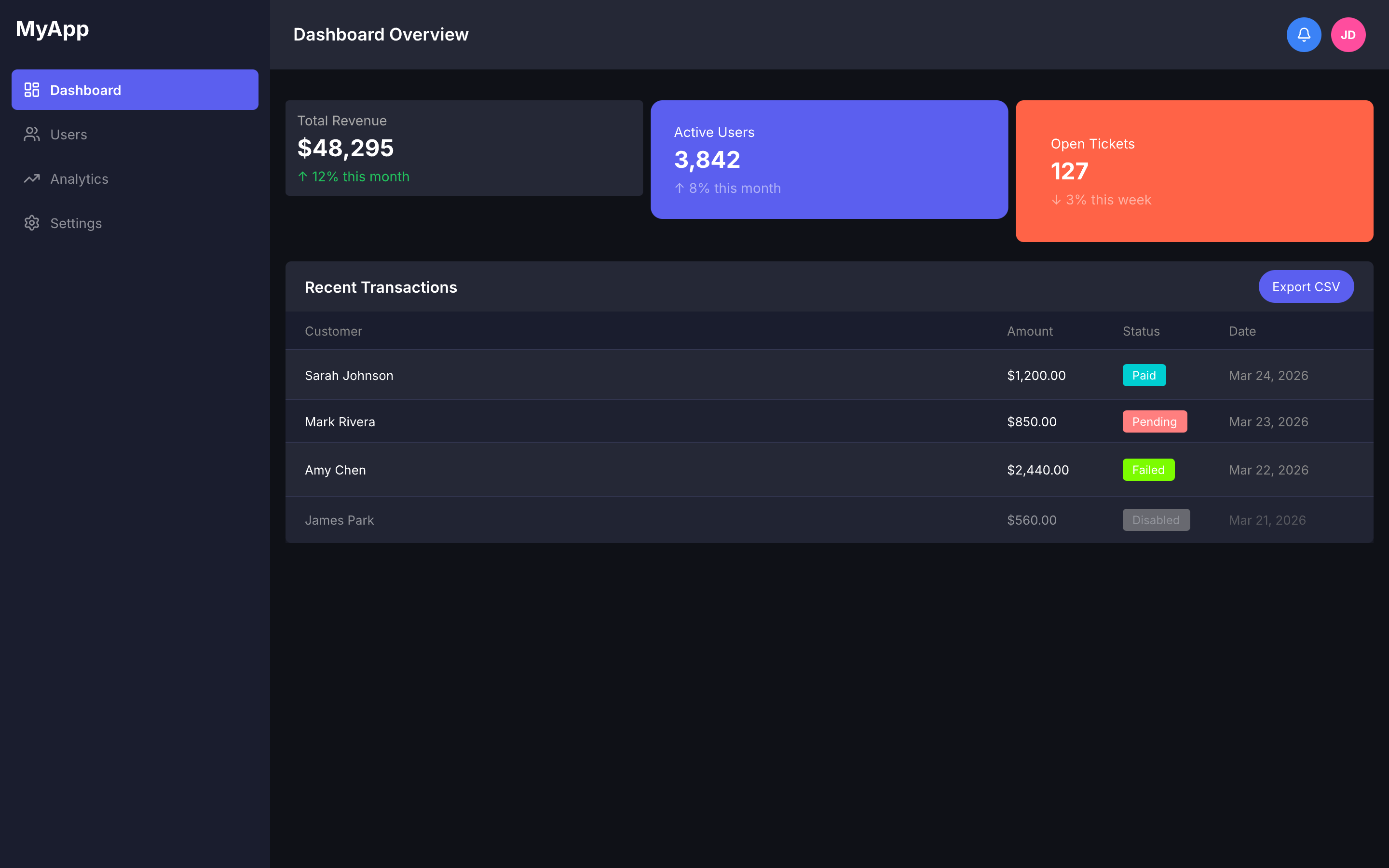 | 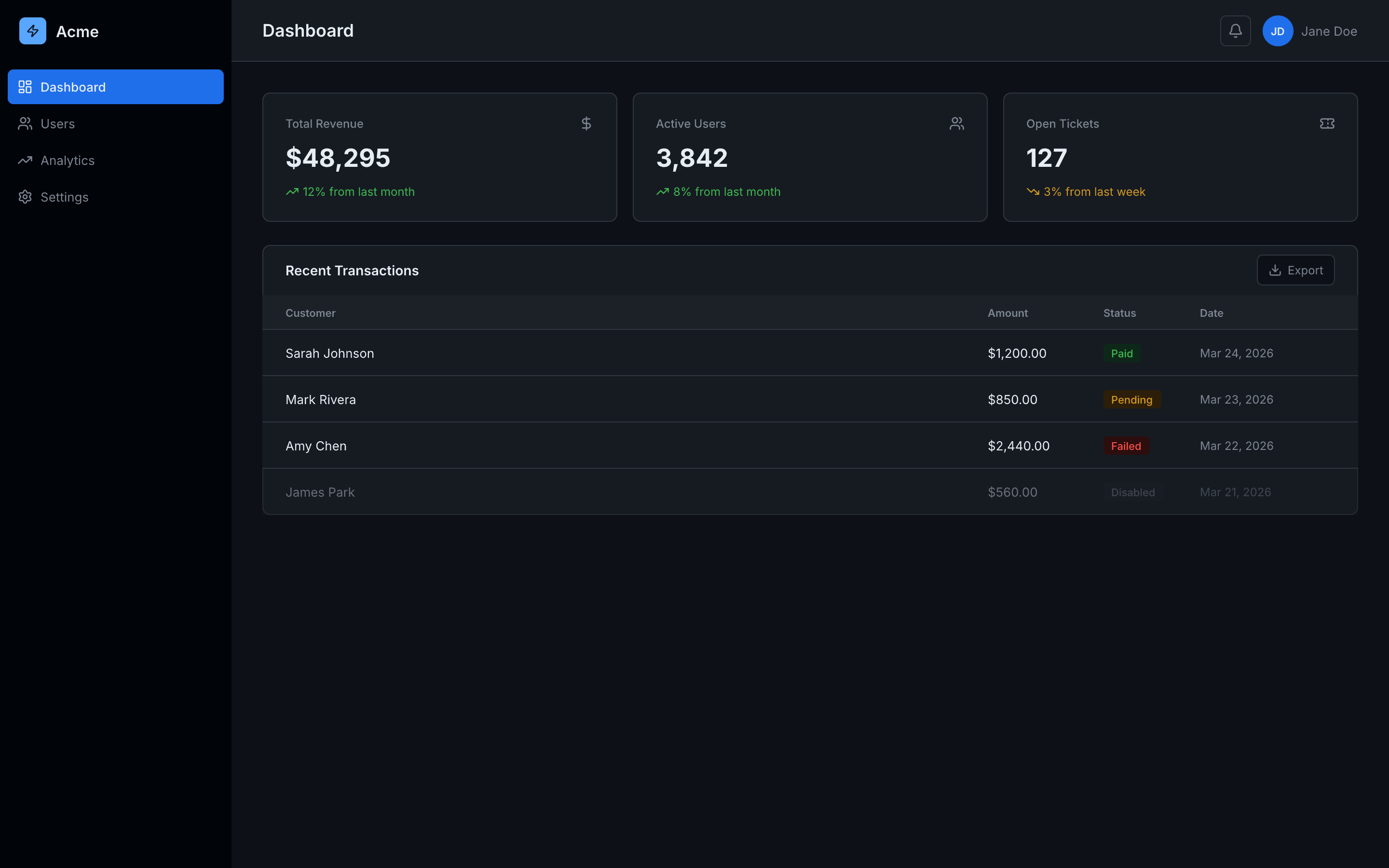 |
The problem isn't Claude's capability — it's that good design has specific, defensible values that AI doesn't know unless you tell it. Without them, it averages what it's seen on the internet.
These aren't opinions. They're the kind of thing a senior product designer learns from doing it wrong a few times. Hover states that don't clear the 8% lightness threshold are invisible on most monitors. Disabled elements at 50% opacity compete visually with active ones. Pure white on dark backgrounds causes halation. These are measurable, testable, reproducible failures — and they're exactly what raw Claude output defaults to.
PencilPlaybook embeds those values as lookup tables Claude checks before making any decision. It also gives Claude a structured workflow for .pen files: explore the canvas before touching it, inject brand tokens at session start, find empty space before placing a new screen, use bulk replacement tools for token propagation instead of clicking through nodes one by one.
The result: designs that are structurally sound and perceptually intentional — not averaged from what the internet thinks a dashboard should look like.
PencilPlaybook is built to reduce token waste and speed up your loops:
Always start with Canvas Archaeology:
Using PencilPlaybook, analyze this canvas and list every screen + current design tokens.
Use scoped prompts for small changes:
Using PencilPlaybook, only update the modal on screen "checkout" with better hierarchy. Do not touch other screens.
Run Bulk Property Inspection first before big refactors.
Stick to one of the 7 presets unless you have a very specific need.
Pro tip: Keep individual .pen files under ~15–20 screens. Use spatial management workflows when splitting large projects.
MCP keeps disappearing or re-injecting Run the setup wizard once, then pin the skill. Work primarily inside the IDE and avoid opening the Pencil desktop app while Claude Code is active — the app can override MCP configs.
Fear of losing work
Before any major change, prompt:
Using PencilPlaybook, create a version snapshot comment at the top of the canvas with current token values and screen list.
Claude still suggests bad defaults
Always prefix prompts with Using PencilPlaybook,
Token spikes on large canvases Use Canvas Archaeology + Bulk Inspection first.
Before you begin: make sure Pencil.dev is installed and open, and you have Claude Code installed.
Step 1 — Install the skill (pick one):
# Global — available in every project
git clone https://github.com/stevembarclay/pencilplaybook ~/.claude/skills/PencilPlaybook

# Per-project — only available in this repo
git clone https://github.com/stevembarclay/pencilplaybook .claude/skills/PencilPlaybook
Step 2 — Run setup (once, takes ~30 seconds):
In Claude Code, say: run the PencilPlaybook setup wizard
Pick a preset (Midnight, Ember, Grove, Bloom, Volt — or Material/Minimal if you're already using a design system) and you're done. Setup writes your design system config into the skill so Claude uses it automatically.
Step 3 — Use it:
Using PencilPlaybook, open my-design.pen and tell me what screens are in it.
That's it.
Five workflows Claude follows automatically when you reference PencilPlaybook:
| Workflow | When to use |
|---|---|
| Canvas Archaeology | "What's in this .pen file?" — explore before editing |
| Design Token Propagation | A color or font changed — push it across the file |
| Canvas Spatial Management | Adding a screen — find where to place it without overlap |
| Style Guide Pull | Building a page type you haven't designed before |
| Bulk Property Inspection | Audit for consistency before a token replacement |
Nine scaffold archetypes — ready-to-run batch_design scripts for every common layout: Dashboard, List/Queue, Detail/Review, Marketing Page, Modal/Dialog, Wizard/Stepper, Mobile Screen, Form/Data Entry, and Empty State.
Perceptual Design Defaults — science-backed lookup tables for typography, color contrast, spacing, motion, and icons. Built into the skill so Claude applies them automatically.
Complete tool reference for all 12 Pencil MCP tools — every parameter documented.
Five opinionated presets with distinct aesthetics, plus two baseline options if you're already working with an existing system:
| Preset | Primary | Fonts | Spacing | Dark? |
|---|---|---|---|---|
| Midnight | Electric blue (#58A6FF) | Inter / JetBrains Mono | Standard | Yes — full dark |
| Ember | Amber (#F59E0B) | JetBrains Mono / JetBrains Mono | Tight (6/12/20) | Yes — near-black |
| Grove | Forest green (#2D6A4F) | DM Sans / JetBrains Mono | Generous (12/20/32/48) | No — warm off-white |
| Bloom | Rose (#F43F5E) | Plus Jakarta Sans / JetBrains Mono | Standard | No — white |
| Volt | Near-black + yellow (#FACC15) | Space Grotesk / JetBrains Mono | Standard | No — white, black borders |
Already have a design system?
| Preset | Primary | Fonts | |
|---|---|---|---|
| Material Design 3 | Purple (#6750A4) | Roboto / Roboto Mono | MD3 baseline |
| Minimal / Neutral | Near-black (#171717) | system-ui / ui-monospace | Blank slate |
Or answer 6 questions during setup to configure your own.
What each scaffold produces — run the setup wizard first to fill in your colors and dimensions.
A — Dashboard              B — List / Queue           C — Detail / Review
┌───────┬────────────────┐  ┌───────┬────────────────┐  ┌───────┬────────────────┐
│       │ PageHeader     │  │       │ PageHeader     │  │       │ PageHeader     │
│Sidebar│────────────────│  │Sidebar│────────────────│  │Sidebar│────────────────│
│       │ Stats KPIs     │  │       │ Search │Filter │  │       │ ActionBar      │
│       │────────────────│  │       │────────────────│  │       │────────────────│
│       │                │  │       │ Col Col Col Col│  │       │ Left  │ Right  │
│       │  ContentInner  │  │       │ ─────────────  │  │       │ Panel │ Panel  │
│       │                │  │       │ row · row · row│  │       │ (40%) │ (60%)  │
└───────┴────────────────┘  └───────┴────────────────┘  └───────┴────────────────┘

D — Marketing Page         E — Modal / Dialog         F — Wizard / Stepper
┌────────────────────────┐  ┌───────┬────────────────┐  ┌───────┬────────────────┐
│ Navbar                 │  │       │ PageHeader     │  │       │ PageHeader     │
├────────────────────────┤  │Sidebar│ ─ ─ ─ ─ ─ ─ ─ │  │Sidebar│────────────────│
│                        │  │(dim)  │  ┌──────────┐  │  │       │ ①──②──③──④    │
│     HeroSection        │  │       │  │ Header   │  │  │       │────────────────│
│                        │  │       │  │ Body     │  │  │       │                │
├────────────────────────┤  │       │  │[×][Save] │  │  │       │ ContentInner   │
│                        │  │       │  └──────────┘  │  │       │   (640px)      │
│     Section 1          │  │       │                │  │       │────────────────│
│                        │  └───────┴────────────────┘  │       │[← Back][Next →]│
└────────────────────────┘                               └───────┴────────────────┘

G — Mobile Screen          H — Form / Data Entry      I — Empty State
┌──────────────┐            ┌───────┬────────────────┐  ┌───────┬────────────────┐
│  StatusBar   │            │       │ PageHeader     │  │       │ PageHeader     │
├──────────────┤            │Sidebar│────────────────│  │Sidebar│────────────────│
│  NavBar      │            │       │ ┌────────────┐ │  │       │                │
├──────────────┤            │       │ │ FormSection│ │  │       │   ┌────────┐   │
│              │            │       │ │ [_________]│ │  │       │   │ illus. │   │
│ ScrollContent│            │       │ │ [_________]│ │  │       │   └────────┘   │
│              │            │       │ └────────────┘ │  │       │  "Nothing yet" │
├──────────────┤            │       │  [Cancel][Save]│  │       │  [+ Create one]│
│  BottomNav   │            └───────┴────────────────┘  └───────┴────────────────┘
└──────────────┘
   390 × 844
Using PencilPlaybook, propagate the color-primary change from #2D6A4F to #1B5E42 across dashboard.pen.
Using PencilPlaybook, scaffold a new List screen for the user management page.
Using PencilPlaybook, add a modal dialog to the existing invoice screen showing a delete confirmation.
Using PencilPlaybook, add a second screen to settings-v1.pen showing the edit state.
.claude/skills/pencilplaybook/
├── SKILL.md                   # Workflows, scaffolds, token map, session checklist
├── setup.md                   # Setup wizard — run once to configure
├── presets/
│   ├── midnight.json          # Full dark — electric blue, Inter
│   ├── ember.json             # Terminal dark — amber, JetBrains Mono
│   ├── grove.json             # Earthy light — forest green, DM Sans
│   ├── bloom.json             # Playful light — rose, Plus Jakarta Sans
│   ├── volt.json              # Neobrutalist — black borders, yellow accent
│   ├── material.json          # MD3 baseline
│   └── minimal.json           # Grayscale blank slate
└── references/
    └── tool-reference.md      # Full parameter docs + prompt recipes
Issues and PRs welcome. Particularly useful contributions:
MIT — see LICENSE.
Sign in to join the discussion.
No comments yet. Be the first to say what this is good for.
An agentic skills framework & software development methodology that works.

Turn any codebase, with its docs, SQL schemas, configs, and PDFs, into a queryable knowledge graph. A /graphify skill for Claude Code, Cursor, Codex, and Gemini CLI: local deterministic AST parsing, every edge explained, no vector store.

Topic in, narrated explainer video out. A Claude Code / Codex skill that turns any topic into a black-canvas motion-graphics explainer video with TTS voiceover, subtitles and a chapter progress bar. Chinese or English; every frame drawn in code with Remotion.
Public repository for Agent Skills
Open-source AI job search: scan job portals, evaluate listings into a structured A-H report with a global 1-5 score, tailor your CV, track applications — runs locally in your AI coding CLI (Claude Code, Codex, OpenCode, Antigravity…)
Production-grade engineering skills for AI coding agents.