

DietrichGebert/ponytailPlugins
Makes your AI agent think like the laziest senior dev in the room. The best code is the code you never wrote.
138k
1 add
This repository packages a minimal Claude Code and Codex setup with skills, agents, hooks, MCP servers, and synced configuration. It is meant to give you a repeatable workflow system for taking an idea through design, implementation, review, testing, and docs.
Builders who use Claude Code or Codex and want a shared workflow setup across projects.
You can run a consistent agent workflow without rebuilding prompts, permissions, and review steps in each repo.
Includes 13 `/kk:<skill-name>` skills that move from design to implementation, review, testing, and documentation.
Uses sub-agents and external models for independent code review paths, including an isolated review mode.
Stores findings, decisions, and conventions with Capy so later sessions can reuse them.
Ships permission baselines, statusline themes, MCP wiring, hooks, and sync infrastructure for both providers.
Provides separate guidance for go, java, js/ts, kotlin, kubernetes, and python.
Supports starting from a template, adopting into an existing repo, or installing the skills as a plugin only.
/kk:design → /kk:review-design → /kk:implement → /kk:review-code → /kk:test → /kk:document




claude-toolbox is a collection of "tools" for all your agentic workflows — pre-configured MCP servers, skills, sub-agents, commands, hooks, statuslines with themes, and more - everything you need for AI-powered development workflows, used and battle-tested daily on many of my own projects.
Supported providers: Claude Code · Codex
[!IMPORTANT] This project was created with the help of Claude-Code. Is it, however, always reviewed, tested, and reworked with a human-in-the-loop.
No AI slop here. Purely AI-made skills are hot garbage, and that's putting it mildly.
That said, if you have any problems with code that is written by AI - you've been warned. But, then again, why would you be interested in AI-related configs and skills in the first place...
¯\_(ツ)_/¯
Tools like Claude Code and Codex are powerful on their own, but LLMs don't know your development workflow. This project started as a way for me to streamline claude configurations across all my projects without needing to copy-paste things. With time, patterns and re-curring prompts evolved into skills and agents. Currently, claude-toolbox gives you two things:
A minimal, opinionated Claude Code and Codex configuration — sensible permission baselines, a rich statusline, MCP server wiring, and sync infrastructure to keep it all up to date across your projects. Think of it as a dotfiles repo for Claude Code and Codex.
A structured development pipeline — 13 workflow skills with explicit multi-language support that take you from idea through design, implementation, code review, testing, to documentation, with persistent knowledge that carries across sessions.
/kk:design → /kk:review-design → /kk:implement → /kk:review-code → /kk:test → /kk:document
Out of the box you get:
/kk:<skill-name>, with many skills integrated with each other.Starting a new project? Use the template — you get the full configuration and plugin pre-wired, plus sync infrastructure to pull future updates. → Template Setup
Existing project, want the full setup? Adopt the configuration, plugin, and sync infrastructure without creating from the template. → Adopting into Existing Repositories
Just want the skills? Install the kk plugin — no template needed. → Plugin-Only Setup
After setup, try the core workflow:
Start with an idea. Type /kk:design and describe a feature you want to build. Claude will ask you refinement questions one at a time, then produce design docs and a task list in docs/wip/.
Review the design. Run /kk:review-design your-feature to catch gaps before writing code.
Build it. Type /kk:implement — Claude executes the task list with code review checkpoints between batches.
Review the code. /kk:review-code checks for SOLID violations, security risks, and quality issues. Use /kk:review-code:isolated for independent sub-agent reviewers with zero authorship bias.
This is the core loop. See the Skills documentation for all available skills and the full workflow pipeline.
Examples of actual Claude Code workflows executed using this template's configs, skills, and tools: examples/
Contributions are welcome! See the Contributing guide for guidelines, Architecture for how components fit together, and Testing for test conventions.
Copyright © 2025 - present, serpro69
Distributed under the ELv2 License.
See LICENSE.md file for more information.
Sign in to join the discussion.
No comments yet. Be the first to say what this is good for.
Makes your AI agent think like the laziest senior dev in the room. The best code is the code you never wrote.
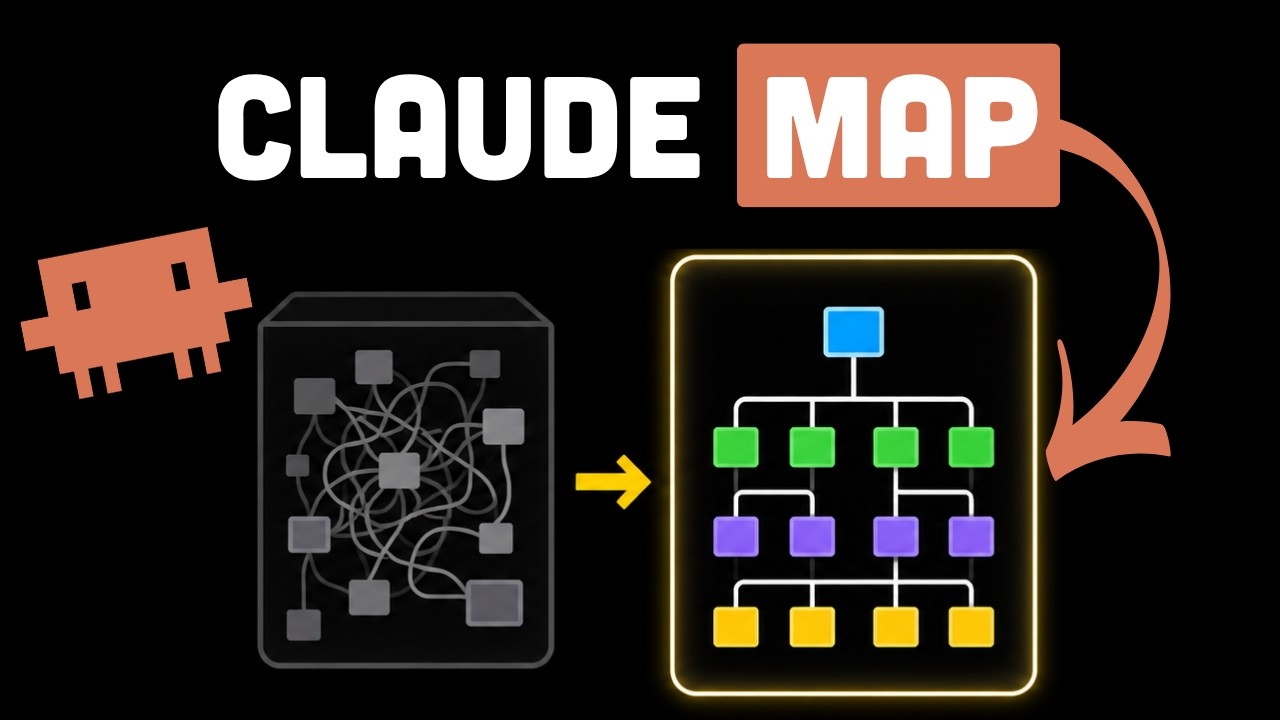
Graphs that teach > graphs that impress. Turn any code into an interactive knowledge graph you can explore, search, and ask questions about. Works with Claude Code, Codex, Cursor, Copilot, Gemini CLI, and more.

OmO: Just type "mass ulw" keyword with your prompt. Now you are the master of graph engineering.
Persistent Context Across Sessions for Every Agent – Captures everything your agent does during sessions, compresses it with AI, and injects relevant context back into future sessions. Works with Claude Code, OpenClaw, Codex, Gemini, Hermes, Copilot, OpenCode + More
Opinionated Oxlint rules for rejecting low-evidence TypeScript and JavaScript patterns
Teams-first Multi-agent orchestration for Claude Code