

obra/
superpowers

obra/superpowersSkills
An agentic skills framework & software development methodology that works.
285k
1 add
This repo packages Orca-specific skills for security workflows such as alert triage, impact analysis, compliance gap review, and asset profiling. The skills work with Orca Security data through its MCP server and are distributed as marketplace and plugin manifests for supported agents and editors.
Builders who investigate cloud security alerts and want reusable agent commands for Orca Security data.
You can turn raw Orca findings into triage, remediation, and reporting steps without rebuilding the workflow each time.
Summarizes Orca alerts with verdicts, timelines, blast radius, and follow-up steps.
Shows what closes and what might break when you fix an alert.
Tracks a finding back to the resource creator, deployment method, and source change.
Gives a 24- to 72-hour security digest with new alerts, drift, and exposure changes.
Builds a 360-degree view of one asset, including alerts, permissions, exposure, and linked entities.
Ranks failing controls, quick wins, and remediation plans across frameworks.
Connects the skills to Orca Security through an MCP server configuration.
/plugin marketplace add orcasecurity/orca-skills
# Clone the repository
git clone https://github.com/orcasecurity/orca-skills.git
cd orca-skills

# Copy skills to your skills directory
cp -r skills/* ~/.claude/skills/




| Skill | Question It Answers |
|---|---|
orca-alert-triage | "What is this alert and should I care?" |
orca-impact-analysis | "If I fix this, what else closes — and what breaks?" |
orca-config-origin | "Who did this, how was it deployed, and what introduced the issue?" |
orca-morning-briefing | "What happened while I was away, and what needs my attention?" |
orca-asset-profile | "Tell me everything about this asset in one place." |
orca-compliance-gap | "Where are we failing, what's the fastest path to improve?" |
orca-data-exposure | "Where is our sensitive data, is it protected, and what's at risk?" |
orca-exposure-map | "What can an attacker see from outside?" |
orca-identity-review | "Is this identity overprivileged, and what's the blast radius?" |
orca-investigate | "What happened, who did it, and how far did they get?" |
orca-cloud-cost-optimizer | "Where are we overspending and what should we fix first?" |
orca-custom-framework | "How do I create a custom compliance framework tailored to my needs?" |
orca-inactive-identities-cleanup | "Which of our identities are dead weight, and how do we safely disable or delete them?" |
orca-overprivileged-identities-rightsizing | "Which of our identities hold far more permission than they use, and how do we safely cut them down?" |
orca-mfa-enforcement | "Who can sign in without MFA, and how do we close that gap without locking anyone out?" |
orca-supply-chain-exposure | "From this list of suspect packages, which are we actually running and where?" |
orca-cve-blast-radius | "This CVE just dropped — which assets are actually at risk?" |
orca-account-health | "Is every account connected, synced, and fully scanned?" |
orca-k8s-connector-troubleshoot | "Why isn't my Kubernetes Connector installing or connecting?" |
Daily ops: Morning briefing → Triage → Asset profile → Impact analysis → Config origin → Fix
Proactive posture: Compliance gaps → Exposure map → Data exposure → Identity review
Incident response: Investigate → Identity review → Asset profile → Contain and remediate
Custom compliance: Custom framework → Compliance gaps → Impact analysis → Remediate
Reactive (advisory landed): Supply chain exposure → CVE blast radius → Impact analysis → Fix
Pre-audit / pre-investigation: Account health → Compliance gaps / Investigate (trust the data first)
Connector setup: Connector troubleshoot → (escalate to support if a known platform limitation)
/plugin marketplace add orcasecurity/orca-skills
Next step: Configure the Orca Security MCP server (see MCP Configuration below).
Add the marketplace to your Claude Desktop configuration, then install skills from the marketplace UI.
# Clone the repository
git clone https://github.com/orcasecurity/orca-skills.git
cd orca-skills

# Copy skills to your skills directory
cp -r skills/* ~/.claude/skills/
Required: These skills need the Orca Security MCP server to access your environment data.
Add to your .mcp.json (in project root or ~/.claude/.mcp.json):
Uses OAuth2 for authentication
{
  "mcpServers": {
    "orca-security": {
      "type": "http",
      "url": "https://mcp.orcasecurity.io"
    }
  }
}
For token based authentication (For services and automations)
{
  "mcpServers": {
    "orca-security": {
      "type": "http",
      "url": "https://api.orcasecurity.io/mcp",
      "headers": {
        "Authorization": "Token YOUR_ORCA_API_TOKEN"
      }
    }
  }
}
Get your API token: Orca API Authentication Guide
MCP Integration Docs: Orca MCP Setup
"What is this alert and should I care?"
Intelligent alert triage that transforms raw Orca alerts into analyst-friendly summaries with behavioral timelines, risk assessment, and progressive disclosure. Supports anomalies, vulnerabilities, malware, and misconfigurations.
Features:
remediate-orca-3456789.tf)Usage:
# Triage an alert
/orca-alert-triage orca-1234567

# Or use natural language
triage alert orca-9012345
explain orca-2345678
Follow-up commands (type after triage):
investigate    # Automated Orca-first investigation with manual steps only for gaps
evidence       # Detailed metadata, hashes, links, MITRE ATT&CK mappings
remediate      # Choose output format, then get remediation written to a file
correlate      # Related alerts and attack pattern analysis
Example output:
═══════════════════════════════════════════════════════════════════
ANOMALY DETECTION: Unusual User Agent on EKS Node Role
═══════════════════════════════════════════════════════════════════

VERDICT: Likely Benign | CONFIDENCE: 90% | ACTION: Review & Close | TIMELINE: 48h

WHAT HAPPENED:
  EKS node role used a new AWS SDK version (boto3/1.35.x → 1.36.x)
  during routine cluster operations. Single occurrence, no recurrence.

WHY IT MATTERS:
  Risk Level: Low (Orca Score: 3.0)
  Same tool family, minor version bump, clean 30-day baseline.
═══════════════════════════════════════════════════════════════════
"If I fix this, what closes — and what breaks?"
Analyzes the full remediation impact of fixing a single Orca alert — both the security gains (alerts closed, attack paths broken, compliance passed) AND the operational risk (production workflows, automation, services that might break).
Features:
Usage:
# Analyze impact of fixing an alert
/orca-impact-analysis orca-3456789

# Or use natural language
what's the impact of fixing orca-5678901?
if I fix orca-0123456, what else closes?
Example output:
═══════════════════════════════════════════════════════════════════
IMPACT ANALYSIS — orca-3456789
Root Account Without MFA Enabled
"If I enable MFA on root, what closes — and what breaks?"
═══════════════════════════════════════════════════════════════════

┌─────────────────────────────────────────────────────────────────┐
│  VERDICT: FIX NOW                                               │
│                                                                 │
│  Security gain:   HIGH — 2 critical alerts, 3 attack paths      │
│  Breakage risk:   LOW — no automation uses root console login   │
│  Blast radius:    2 alerts, 3 attack paths, 8 frameworks        │
└─────────────────────────────────────────────────────────────────┘

REMEDIATION IMPACT SUMMARY:
  Alerts directly closed:    2 (including this one)
  Attack paths broken:       3
  Compliance frameworks:     8 frameworks improved

  COMPLIANCE SCORE CHANGE:
    Framework              Current    After Fix    Change
    ─────────────────────────────────────────────────────
    PCI DSS v4.0.1          87%   →    89%         +2%
    NIST 800-53             91%   →    93%         +2%

BREAKAGE RISK:
  [ok] EKS automation — uses access keys (MFA doesn't apply)
  [ok] Orca scanner — uses service role (not affected)
  [x]  Unknown Kali agent — SHOULD break (that's the goal)

BOTTOM LINE: High-leverage, low-risk fix. Apply immediately.
═══════════════════════════════════════════════════════════════════
"Who did this, how was it deployed, and what introduced the issue?"
Traces any Orca alert — misconfiguration, vulnerability, sensitive data, or anomaly — back through cloud audit logs, Orca CodeOrigins (Shift Left), and asset metadata to find who created the resource, what tool deployed it, what introduced the specific issue, and a full timeline from deployment to alert detection.
Features:
Usage:
# Trace origin of any alert
/orca-config-origin orca-3456789

# Or use natural language
who created this misconfiguration? orca-3456789
trace back orca-5678901
where did this config come from? orca-3364845
Example output (vulnerability alert):
═══════════════════════════════════════════════════════════════════
CONFIG ORIGIN — orca-4567890
Apache Log4j Remote Code Execution Vulnerability (CVE-2021-45046)
═══════════════════════════════════════════════════════════════════

ASSET: web-bastion-host (AwsEc2Instance) in 123456789012
ISSUE: log4j-core v2.3 installed — critically vulnerable to RCE

┌─────────────────────────────────────────────────────────────────┐
│  DEPLOYED BY: Terraform (module "ec2_unpatched")                │
│  OWNER:       Alex Chen (alex@example-corp.com)                       │
│  ROOT CAUSE:  user_data script installs log4j-core-2.3.jar     │
│  LAST CHANGE: 2025-12-01 (137 days ago)                         │
│  METHOD:      Terraform → module "ec2/unpatched_ubuntu"         │
└─────────────────────────────────────────────────────────────────┘

TIMELINE:
  2024-06-23  ● Terraform code committed                  Alex Chen
              │ file: ec2.tf:71-80, commit: abc1234
  2025-12-01  ● Instance created — user_data installs log4j 2.3
              │ ⚠ VULNERABILITY INTRODUCED HERE
  2025-12-01  ● Alert detected by Orca (73 min after creation)
  2026-04-17  ● Today — 137 days exposed, still open

REMEDIATION ROUTING:
  ⚠ The fix is NOT in ec2.tf — the Terraform deploys correctly.
  FIX IN: module.scripts.ec2_unpatched (the user_data script)
  → Update script to install log4j-core ≥ 2.16.0
═══════════════════════════════════════════════════════════════════
"What happened while I was away, and what needs my attention?"
Daily security briefing for the last 24-72 hours. Scans your environment for new critical alerts, escalated findings, attack path changes, compliance drift, exposure changes, CDR activity anomalies, crown jewel risks, and aging unactioned alerts — then presents it all as a scannable dashboard with drill-down sections.
Features:
Usage:
# Daily briefing (last 24 hours)
/orca-morning-briefing

# Monday morning (last 72 hours)
/orca-morning-briefing 72h

# Weekly review
/orca-morning-briefing week
Drill-down keywords (type after briefing):
alerts         # Full list of new critical/high alerts
escalated      # Alerts that changed severity or reopened
attack paths   # New/worsened attack paths with stories
compliance     # Framework scores, trends, worst accounts
exposure       # Internet-facing assets with critical alerts
crown jewels   # New alerts on crown jewel assets
aging          # Unactioned critical alerts sorted by age
activity       # CDR event volumes, unusual actors
new types      # Alert types seen for the first time
trends         # Week-over-week comparison, top affected assets
full           # All sections expanded (for reports/handoffs)
Example output:
═══════════════════════════════════════════════════════════════════
MORNING BRIEFING — 2026-04-17
Last 24 hours | Account: 123456789012
═══════════════════════════════════════════════════════════════════

PULSE: ⚠ NEEDS ATTENTION — 3 new critical alerts

┌─────────────────────────────────────────────────────────────────┐
│  NEW ALERTS         12 total (3 critical, 4 high, 5 medium)    │
│  ESCALATED          2 alerts changed severity or reopened       │
│  ATTACK PATHS       1 new, 2 worsened                           │
│  COMPLIANCE         PCI DSS dropped 2%                          │
│  EXPOSURE           1 asset newly internet-facing               │
│  CROWN JEWELS       1 new alert on critical asset               │
│  AGING CRITICALS    4 critical alerts open > 7 days             │
│  CDR ACTIVITY       Elevated — 3.2k events (normal: ~1k)       │
└─────────────────────────────────────────────────────────────────┘

TOP PRIORITIES:
  [1] orca-4567890 — Log4j RCE on public bastion (137d open!)
  [2] orca-6789012 — S3 bucket publicly accessible (new today)
  [3] orca-7890123 — SendGrid API key exposed in container
═══════════════════════════════════════════════════════════════════
"Tell me everything about this asset in one place."
Full 360° security profile of any cloud asset — all open alerts (grouped by category), attack paths, compliance violations, permissions, network exposure, sensitive data, CDR activity summary, crown jewel status, and linked entities.
Features:
Usage:
# Profile an asset by name, ID, or ARN
/orca-asset-profile web-bastion-host
/orca-asset-profile i-1234567890abcdef0

# Or use natural language
tell me about web-bastion-host
asset risk for vm-chain3-1
Drill-down keywords (type after profile):
alerts         # All alerts by category
attack paths   # Kill chains with this asset
compliance     # Framework violations
permissions    # IAM analysis (used vs unused)
exposure       # Network exposure details
activity       # CDR events (last 30 days)
linked         # Connected assets
code origin    # IaC source mapping
full           # All sections expanded
Example output:
═══════════════════════════════════════════════════════════════════
ASSET PROFILE — web-bastion-host
AwsEc2Instance | 123456789012 | us-east-1 | running
═══════════════════════════════════════════════════════════════════

RISK: Orca Score 9.0 (Critical) | Crown Jewel: NO

┌─────────────────────────────────────────────────────────────────┐
│  ALERTS        12 total (3 critical, 4 high, 5 medium)         │
│  ATTACK PATHS  4 active kill chains                             │
│  COMPLIANCE    6 frameworks, 18 failing controls                │
│  EXPOSURE      public_facing | ports: 22, 443                   │
│  SENSITIVE     API keys, credentials                            │
│  PERMISSIONS   overprivileged (via instance profile)            │
│  CDR ACTIVITY  847 events in 30d (elevated)                     │
│  LINKED        9 connected assets                               │
└─────────────────────────────────────────────────────────────────┘

TOP ALERTS:
  [1] orca-4567890 — Log4j RCE (score: 9.0, vulnerability)
  [2] orca-7890123 — SendGrid API key exposed (score: 8.5, sensitive data)
  [3] orca-3456789 — Root account without MFA (score: 8.0, misconfiguration)

RECOMMENDED ACTION:
  The highest-impact fix is orca-4567890 (Log4j RCE on a public
  asset). I can generate remediation code right now.

  What format? terraform | cloudformation | cli | instructions
═══════════════════════════════════════════════════════════════════
"Where are we failing, what's the fastest path to improve?"
Deep compliance gap analysis for any framework — failing controls ranked by blast radius, quick wins (single-fix controls), account breakdown, score trends, and a phased remediation plan with projected score improvements.
Features:
Usage:
# All frameworks overview
/orca-compliance-gap

# Specific framework deep-dive
/orca-compliance-gap PCI DSS
/orca-compliance-gap CIS AWS

# Or use natural language
how's our PCI compliance?
what's failing in SOC 2?
quick wins for compliance
Drill-down keywords (type after analysis):
controls         # All failing controls ranked by impact
quick wins       # Fastest path to score improvement
accounts         # Gap breakdown by account
trends           # 30-day score history
remediation plan # Phased fix plan with projections
full             # All sections expanded
Example output:
═══════════════════════════════════════════════════════════════════
COMPLIANCE GAP ANALYSIS — All Frameworks
2026-04-17 | All accounts
═══════════════════════════════════════════════════════════════════

POSTURE: Moderate — 3 frameworks below 85% target

┌─────────────────────────────────────────────────────────────────┐
│  FRAMEWORKS     8 enabled                                       │
│  AVG SCORE      84%                                             │
│  WORST          HIPAA at 71%                                    │
│  BEST           CIS AWS at 94%                                  │
│  TREND (30d)    degrading — PCI dropped 2%                      │
│  QUICK WINS     6 controls fixable with single changes          │
│  WORST ACCOUNT  123456789012 — 76% avg score                   │
└─────────────────────────────────────────────────────────────────┘

TOP FAILING CONTROLS (highest impact):
  [1] Enable MFA for root — failing on 3 accounts, affects 5 frameworks
  [2] Encrypt EBS volumes — failing on 12 assets, affects 4 frameworks
  [3] Restrict SSH access — failing on 8 assets, affects 4 frameworks

RECOMMENDED ACTION:
  The fastest score improvement: enable MFA for root —
  affects 3 accounts across 5 frameworks. I can generate the fix.

  What format? terraform | cloudformation | cli | instructions
═══════════════════════════════════════════════════════════════════
Sign in to join the discussion.
No comments yet. Be the first to say what this is good for.
An agentic skills framework & software development methodology that works.
Turn any codebase, with its docs, SQL schemas, configs, and PDFs, into a queryable knowledge graph. A /graphify skill for Claude Code, Cursor, Codex, and Gemini CLI: local deterministic AST parsing, every edge explained, no vector store.

Topic in, narrated explainer video out. A Claude Code / Codex skill that turns any topic into a black-canvas motion-graphics explainer video with TTS voiceover, subtitles and a chapter progress bar. Chinese or English; every frame drawn in code with Remotion.
Public repository for Agent Skills
Open-source AI job search: scan job portals, evaluate listings into a structured A-H report with a global 1-5 score, tailor your CV, track applications — runs locally in your AI coding CLI (Claude Code, Codex, OpenCode, Antigravity…)
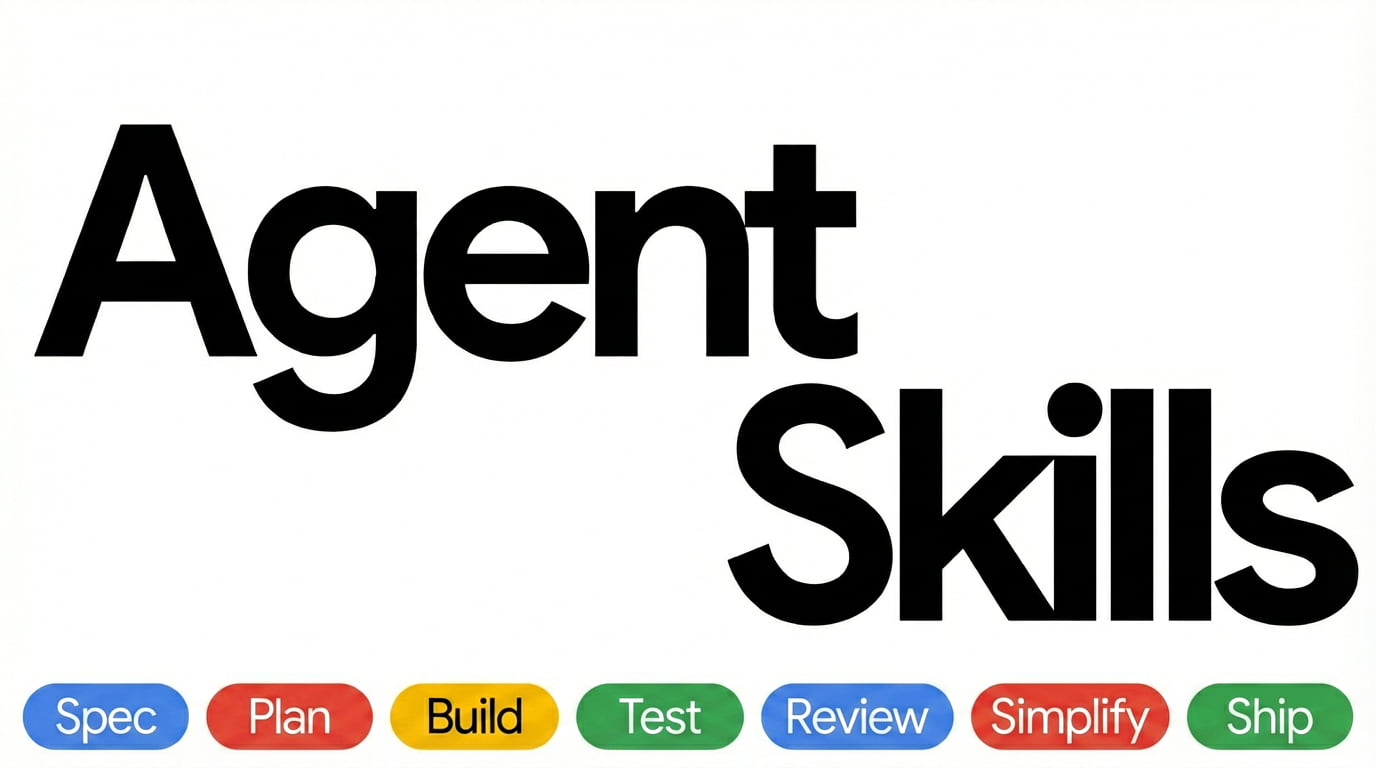
Production-grade engineering skills for AI coding agents.