
JuliusBrussee/
caveman

🪨 why use many token when few token do trick — Claude Code skill that cuts 65% of tokens by talking like caveman
105k
1 add
SLV manages the full lifecycle of Solana validators, RPC nodes, and gRPC streaming from a local CLI. The AI Console (`slv c`) routes your request to specialist agents, then uses SSH, keys, snapshots, firewall setup, and Ansible playbooks to do the work.
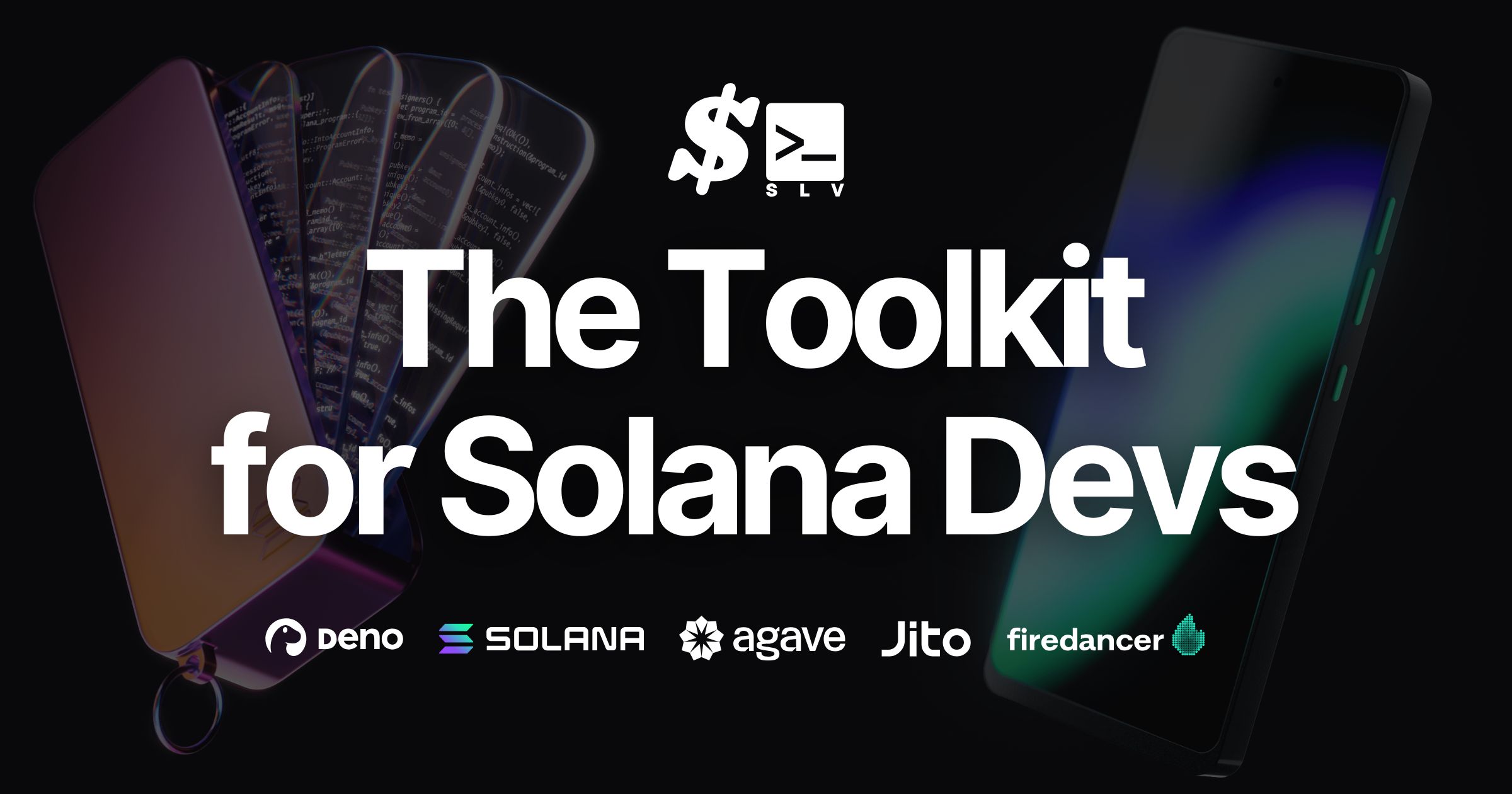
Builders who run Solana infrastructure and want agent-guided deployment and operations.
You can deploy, check, and update Solana nodes from plain-language requests instead of doing every setup step by hand.
`slv c` opens a conversational console that can deploy and operate Solana infrastructure through specialist agents.
The tool supports validator, RPC, and gRPC Geyser deployments, including Jito, Agave, Firedancer, Yellowstone, and Richat.
Requests are turned into Ansible playbooks and Jinja2 templates that run against the target server.
The repo ships skills such as `slv-validator`, `slv-rpc`, and `slv-grpc-geyser` for use in other agents.
You can run the underlying Ansible playbooks directly for deployment, restart, and Solana build tasks.
Commands like `slv check`, `slv check rpc`, `slv check grpc`, and `slv check shreds` inspect server and service health.
# 1. Install SLV
curl -fsSL https://storage.slv.dev/slv/install | sh

# 2. Configure your environment (AI provider, SSH keys, API keys)
slv onboard

# 3. Launch the AI Console
slv c
You: Deploy a mainnet Jito validator on 203.0.113.10

Agent: I'll set up a mainnet Jito validator. Let me walk you through:
       - Checking SSH connectivity...
       - Generating validator identity and vote keys...
       - Building Solana from source...
       - Downloading snapshot from nearest region...
       - Starting validator and monitoring slot sync...


Deploy and manage Solana validators, RPC nodes, and gRPC streaming in 3 commands.
SLV is a CLI tool that handles the full lifecycle of Solana infrastructure — from bare metal to running node. The built-in AI Console lets you deploy and operate nodes through natural conversation.

# 1. Install SLV
curl -fsSL https://storage.slv.dev/slv/install | sh

# 2. Configure your environment (AI provider, SSH keys, API keys)
slv onboard

# 3. Launch the AI Console
slv c
That's it. The AI Console guides you through everything:
You: Deploy a mainnet Jito validator on 203.0.113.10

Agent: I'll set up a mainnet Jito validator. Let me walk you through:
       - Checking SSH connectivity...
       - Generating validator identity and vote keys...
       - Building Solana from source...
       - Downloading snapshot from nearest region...
       - Starting validator and monitoring slot sync...
| Task | Command |
|---|---|
| Install SLV | curl -fsSL https://storage.slv.dev/slv/install | sh |
| Initial setup | slv onboard |
| AI Console (interactive) | slv c |
| Check node status | slv check |
| Update Solana version | slv update |
| Server health | slv check rpc / slv check grpc / slv check shreds |
The AI Console (slv c) includes specialist agents for different tasks:
| Agent | Role |
|---|---|
| Cecil | Validator deployments (Jito, Agave, Firedancer) |
| Tina | RPC & gRPC Geyser deployments |
| Figaro | Server procurement and pricing |
| Setzer | Solana app development |
Just describe what you need in plain language. The agent handles SSH, keys, builds, snapshots, firewall, and monitoring.
SLV uses Ansible playbooks and Jinja2 templates under the hood:
Your request → AI Agent → Ansible playbooks → Target server
Design principles:
SLV also provides standalone AI agent skills that work with any AI coding agent — OpenClaw, Claude Code, Codex, Cursor, Windsurf, and more.
| Skill | What It Does |
|---|---|
| slv-validator | Deploy & manage validators |
| slv-rpc | Deploy & manage RPC nodes |
| slv-grpc-geyser | Deploy & manage gRPC Geyser streaming |
# OpenClaw (via ClawHub)
npx clawhub install slv-validator

# Claude Code — copy skill into your project
cp -r dist/oss-skills/slv-validator /your/project/.claude/skills/

# Any agent — add SKILL.md to your agent's context
cp dist/oss-skills/slv-validator/SKILL.md /your/project/AGENTS.md
Each skill includes SKILL.md (AI knowledge), Ansible playbooks, setup scripts, and example inventories. No lock-in — they're plain Markdown + Ansible.
cd dist/oss-skills/slv-validator/ansible/

# Deploy a mainnet Jito validator
ansible-playbook -i inventory.yml mainnet-validator/init.yml \
  -e '{"validator_type":"jito","solana_version":"v3.1.8-jito"}'

# Restart a validator
ansible-playbook -i inventory.yml mainnet-validator/restart_node.yml

# Build Solana from source
ansible-playbook -i inventory.yml cmn/build_solana.yml \
  -e '{"solana_version":"v3.1.8"}'
Servers from erpc.global automatically get:
pip install ansible-core)slv onboard handles most of this automatically.
git clone https://github.com/ValidatorsDAO/slv.git
deno task dev --help
deno task build
deno test -A
Bug reports and pull requests are welcome. This project follows the Contributor Covenant code of conduct.
Sign in to join the discussion.
No comments yet. Be the first to say what this is good for.
🪨 why use many token when few token do trick — Claude Code skill that cuts 65% of tokens by talking like caveman

The best-benchmarked open-source AI memory system. And it's free.

Orca is the ADE for working with a fleet of parallel agents. Run any coding agent with your own subscription. Available on desktop, mobile and remote runtime.
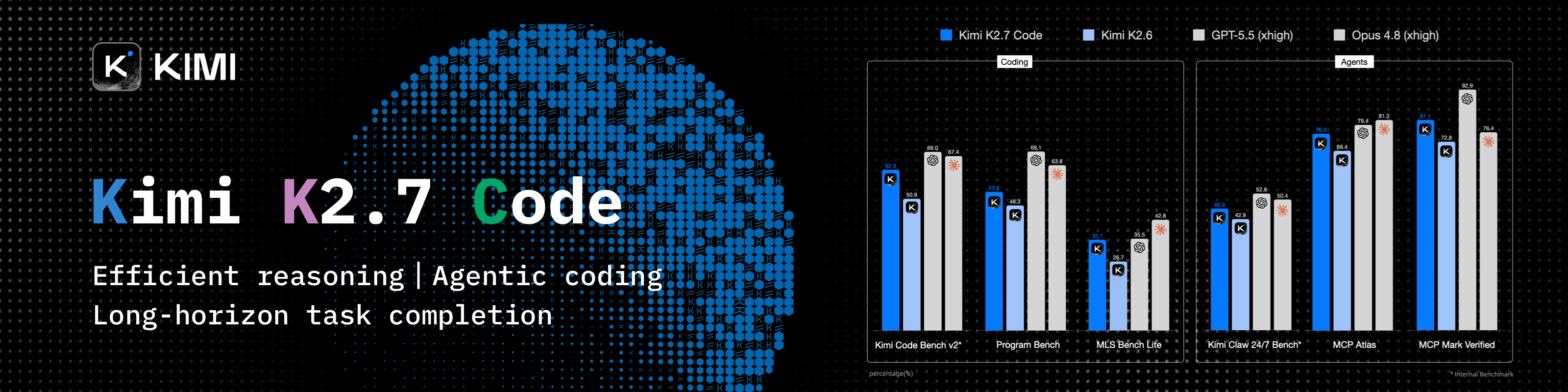
A cross-platform desktop All-in-One assistant for Claude Code, Codex, OpenCode, OpenClaw, Grok Build & Hermes Agent. Only official website: ccswitch.io

Never stop coding. Free MIT AI gateway: one endpoint, 352 providers (150+ free), 1200+ models Kimi, Claude, GPT, Gemini, GLM, DeepSeek, MiniMax. Works with Claude Code, Codex, Cursor, OpenCode, Cline & Copilot. Quota-aware auto-fallback, RTK+Caveman compression saves 15-95% tokens, MCP/A2A, Desktop/PWA. Built by 550+ contributors

Compress tool outputs, logs, files, and RAG chunks before they reach the LLM. 20% fewer tokens for coding agents, 60-95% fewer tokens for JSON, same answers. Library, proxy, MCP server.