
DietrichGebert/ponytailPlugins
Makes your AI agent think like the laziest senior dev in the room. The best code is the code you never wrote.
138k
1 add
This plugin connects WhatsApp to Claude Code through a local MCP server, using your linked phone as the account. Incoming messages can wake the session, and Claude can reply, react, manage attachments, and handle access checks from the same channel. It also works as a plain stdio MCP server for other clients, though some Claude Code channel features are specific to Claude Code.
Builders who want Claude Code, Codex, Cursor, or Gemini CLI to work through WhatsApp.
You can run agent work from WhatsApp instead of switching between chat and terminal.
Connects with a normal WhatsApp linked-device session instead of a business API or API key.
Incoming WhatsApp messages can reach the Claude Code session immediately when the channel is loaded.
Claude can send messages from your own number so the chat looks like a normal WhatsApp conversation.
Voice notes can be transcribed locally with the provided Whisper script.
Supports pairing codes, allowlists, and per-group policies before messages reach the session.
You can approve or deny tool requests from WhatsApp with emoji reactions.
`catch_up` can replay recent messages, unreplied counts, and open tasks after a restart.
Lets you run separate personal and business WhatsApp accounts with different state and behavior.
claude plugin marketplace add Rich627/whatsapp-claude-plugin
claude plugin install whatsapp-channel@whatsapp-claude-plugin
claude --dangerously-load-development-channels plugin:whatsapp-channel@whatsapp-claude-plugin
/whatsapp-channel:configure <phone> # country code + number, no +
Drive your Claude Code session from WhatsApp — your personal number, no bots, no API keys.
The plugin connects to WhatsApp as a linked device (the same protocol as WhatsApp Web, via Baileys) and exposes it to Claude Code as an MCP channel. Incoming messages reach your session in real time; Claude replies from your own number, so recipients see a normal chat. Everything runs locally on your machine — messages travel directly between WhatsApp and your session, with no third-party servers in between. Once paired, it keeps working while your phone is off; only the Claude Code session needs to stay open, and reconnects never require re-pairing.




Published on the Anthropic Official Plugin Marketplace — the first community-built WhatsApp channel plugin reviewed and published by Anthropic.

claude plugin marketplace add Rich627/whatsapp-claude-plugin
claude plugin install whatsapp-channel@whatsapp-claude-plugin
claude --dangerously-load-development-channels plugin:whatsapp-channel@whatsapp-claude-plugin
The --dangerously-load-development-channels flag matters: it registers the plugin as a channel, so an inbound WhatsApp message wakes your session immediately. Without it the tools still load, but nothing wakes the session when messages arrive — they sit unanswered until you (or a watchdog) prompt Claude to check. --channels does not accept this plugin yet (it is not on the research-preview allowlist), so the development flag is currently the only way.
Inside the session, set your number and pair:
/whatsapp-channel:configure <phone> # country code + number, no +
A pairing code is printed on first launch. On your phone: WhatsApp → Settings → Linked Devices → Link a Device → Link with phone number instead → enter the code. No WhatsApp Business API, Meta developer account, or API key is involved — it links to your regular account.
The server is a plain stdio MCP server, so any MCP client can run it. Two things are Claude Code specific and worth knowing before you start:
notifications/claude/channel, a Claude Code extension. MCP has no standard equivalent that reaches the model, and other clients drop unknown notifications silently. Elsewhere the plugin is poll-based: call wait_for_messages (waits up to 40s for the next message) or catch_up / unreplied. Every tool result also carries a count of unreplied messages, so a client finds out there is traffic on its next call whatever that call was./whatsapp-channel:access and friends are Claude Code skills. Use bun scripts/access.ts instead (see Access control from a terminal).Register the server with an absolute path — ${CLAUDE_PLUGIN_ROOT} is substituted by Claude Code only:
Codex CLI (~/.codex/config.toml)
[mcp_servers.whatsapp]
command = "bun"
args = ["run", "--cwd", "/absolute/path/to/whatsapp-channel", "start"]
startup_timeout_sec = 30   # default 10 is tight for a first Baileys connect
tool_timeout_sec = 120     # default 60; wait_for_messages parks for up to 40s
Gemini CLI (~/.gemini/settings.json)
{
  "mcpServers": {
    "whatsapp": {
      "command": "bun",
      "args": ["run", "--cwd", "/absolute/path/to/whatsapp-channel", "start"],
      "timeout": 600000
    }
  }
}
Cursor (~/.cursor/mcp.json for all projects, .cursor/mcp.json for one)
{
  "mcpServers": {
    "whatsapp": {
      "type": "stdio",
      "command": "bun",
      "args": ["run", "--cwd", "/absolute/path/to/whatsapp-channel", "start"]
    }
  }
}
Only one client at a time can hold the WhatsApp connection: WhatsApp allows one linked-device session per account, and two servers would kick each other off. A second server does not fail silently — it stays up and serves a single whatsapp_unavailable tool naming the process that holds the connection.
Everything the access skill does, without Claude Code:
bun scripts/access.ts status                 # policy, allowlist, pending codes, groups
bun scripts/access.ts policy pairing         # open the door
bun scripts/access.ts pair <code>            # approve someone who messaged you
bun scripts/access.ts allow <jid>            # add directly
bun scripts/access.ts remove <jid>
bun scripts/access.ts group add <groupJid> [--mention] [--allow jid1,jid2]
bun scripts/access.ts set replyToMode first  # ackReaction, textChunkLimit, chunkMode, mentionPatterns
Approving always needs the specific code, even when only one pairing is waiting: anyone can create a pending entry just by messaging the account, so "approve the pending one" is exactly what a prompt-injected request looks like. For the same reason this is a terminal command and deliberately not an MCP tool, so nothing arriving over WhatsApp can reach it.
reply can tag people so they actually get notified — ids are accepted as phone, LID, or full JID, and mentions attach only to the chunk that names them./whatsapp-channel:access in Claude Code, or bun scripts/access.ts anywhere.config.md with a custom personality and conversation memory.## Cron Jobs section in a group's config.md schedules recurring server-side tasks.catch_up tool replays recent two-way conversation per chat, unreplied counts, and open tasks from tasks.md, so a fresh session resumes mid-flight work./whatsapp-channel:doctor checks the server process, device link, singleton lock, and config, then walks you through the fixes — no more guessing why replies stopped.WhatsApp (phone) <──Baileys──> MCP Server <──stdio──> Claude Code
The server (a single Bun process) holds the linked-device connection and forwards inbound messages to the session as channel notifications after they pass the access gate. Claude acts through MCP tools — reply, react, edit_message, download_attachment, status, unreplied, catch_up, list_groups. Runtime state (auth, allowlists, group configs, inbox) lives in ~/.whatsapp-channel/, never in the repo.
Messages sent by Claude appear as coming from your phone number. Use a dedicated number if you want a distinct bot identity.
One-time setup (Apple Silicon, mlx-whisper):
brew install ffmpeg                      # mlx-whisper uses it to decode audio
python3 -m venv ~/whisper-env
source ~/whisper-env/bin/activate
pip install mlx-whisper
cp scripts/whisper-transcribe.sh ~/whisper-transcribe.sh
chmod +x ~/whisper-transcribe.sh
~/whisper-transcribe.sh path/to/sample.ogg   # optional: test
The reference script uses mlx-community/whisper-large-v3-turbo — accurate, fast, multilingual. Swap the model in the script if you prefer a smaller one.
| Issue | Solution |
|---|---|
| Pairing code not showing | Run /whatsapp-channel:configure <phone> first, then relaunch |
| 440 disconnect error | Only one connection per auth state allowed. Kill stale processes: pkill -f "whatsapp.*server" |
| Session not waking on new messages | Most common cause: launched without --dangerously-load-development-channels plugin:whatsapp-channel@whatsapp-claude-plugin. Tools work but inbound pushes are dropped (Channel notifications skipped in the MCP debug log) — relaunch with the flag. |
| Messages not arriving | Known Claude Code client bug (#37933). Server-side is correct, awaiting client fix. |
| Replies still send, nothing arrives | Send a DM to the connected number as well as a group message — a DM that lands while groups stay silent means the group sender-key path, not the connection. ~/.whatsapp-channel/diag.log records an inbound upsert line for every batch WhatsApp delivers, so it distinguishes "never arrived" from "arrived and was dropped". Set WHATSAPP_DIAG_DEBUG=1 for Baileys' full debug stream. |
| Auth expired | Run /whatsapp-channel:configure reset-auth and re-pair |
Full documentation lives in USAGE.md: access control, the tools exposed to the assistant, dual-account setup, session conflicts, and resetting auth.
Issues and pull requests are welcome — read CONTRIBUTING.md before opening one. Report security issues privately per SECURITY.md.
Apache 2.0 — Copyright 2025 Richie Liu
Sign in to join the discussion.
No comments yet. Be the first to say what this is good for.
Makes your AI agent think like the laziest senior dev in the room. The best code is the code you never wrote.
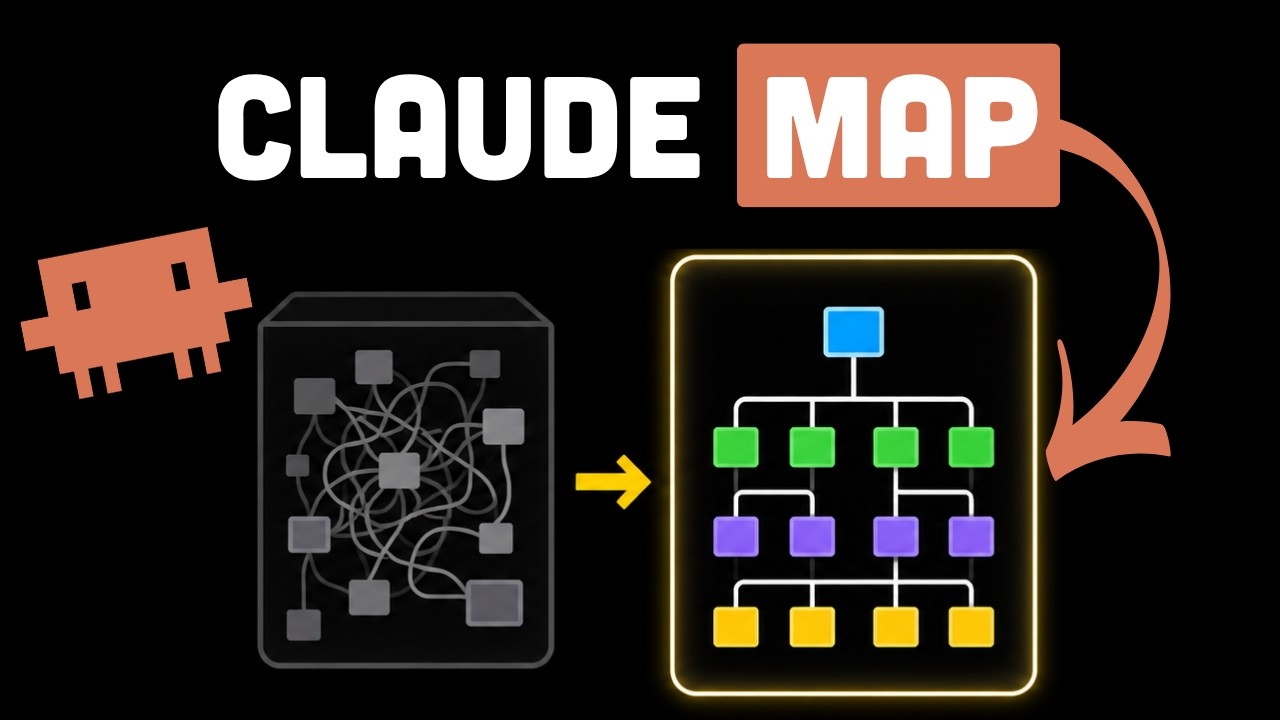
Graphs that teach > graphs that impress. Turn any code into an interactive knowledge graph you can explore, search, and ask questions about. Works with Claude Code, Codex, Cursor, Copilot, Gemini CLI, and more.

OmO: Just type "mass ulw" keyword with your prompt. Now you are the master of graph engineering.
Persistent Context Across Sessions for Every Agent – Captures everything your agent does during sessions, compresses it with AI, and injects relevant context back into future sessions. Works with Claude Code, OpenClaw, Codex, Gemini, Hermes, Copilot, OpenCode + More
Opinionated Oxlint rules for rejecting low-evidence TypeScript and JavaScript patterns
Teams-first Multi-agent orchestration for Claude Code