
DietrichGebert/ponytailPlugins
Makes your AI agent think like the laziest senior dev in the room. The best code is the code you never wrote.
138k
1 add
This plugin recreates Claude Code's internal `/skillify` command for public use. It looks at the session you just finished, asks follow-up questions, and outputs a structured SKILL.md you can invoke later with a slash command.
Builders who use Claude Code and want to capture repeatable workflows as reusable skills.
You can turn a one-off workflow into a slash command instead of re-explaining it later.
Reviews the conversation history to identify the process, tools, steps, and corrections from the session.
Asks for the skill name, steps, arguments, and save location before writing the file.
Creates a frontmatter-based SKILL.md with success criteria, execution annotations, and other skill metadata.
Ships as a Claude Code plugin that can be installed from the marketplace or loaded from a local plugin directory.
/plugin marketplace add 0xMH/claude-skillify
/plugin install skillify@0xMH/claude-skillify
claude --plugin-dir ./path/to/claude-skillify
/skillify
/skillify cherry-pick workflow for release branches
I was reading through the Claude Code source code and noticed a skill called /skillify that only Anthropic employees get access to. It's gated behind USER_TYPE === 'ant' - if you're not an internal user, the registration function returns early and the skill never loads.
What it does is pretty useful. After you finish a session where you did some repeatable process - a deploy, a PR review, a cherry-pick flow, whatever - you run /skillify and it analyzes the session, interviews you about what to capture, and generates a proper SKILL.md file you can reuse later. It's how Anthropic's own team turns ad-hoc workflows into automation.
The bundled version uses internal hooks to inject session memory and extracted user messages into the prompt. Those hooks aren't available outside the binary. But the model already has the full conversation history when a skill runs inline, so the prompt just needs to reference that directly instead.
So I extracted the prompt, adapted it to work without the internal hooks, and packaged it as a plugin anyone can install.
At the end of a session where you performed a repeatable process (deploy flow, PR review, cherry-pick, etc.), run /skillify and it will:
/your-skill-name in future sessionsAdd the marketplace and install the plugin in Claude Code:
/plugin marketplace add 0xMH/claude-skillify
/plugin install skillify@0xMH/claude-skillify
Or test locally during development:
claude --plugin-dir ./path/to/claude-skillify
Run at the end of a session you want to capture:
/skillify
Or with a description hint:
/skillify cherry-pick workflow for release branches
The bundled (internal) version injects session memory and extracted user messages via programmatic hooks (getSessionMemoryContent(), getMessagesAfterCompactBoundary()). This version instructs the model to analyze the full conversation history directly, which it already has access to when running inline. The interview flow and SKILL.md output format are identical.
Skills generated by skillify follow this structure:
---
name: skill-name
description: one-line description
allowed-tools:
  - Read
  - Write
  - Bash(git:*)
when_to_use: "Use when... Examples: '...', '...'"
argument-hint: "[arg1] [arg2]"
arguments:
  - arg1
  - arg2
context: fork  # omit for inline
---
Supported per-step annotations:
MIT
Sign in to join the discussion.
No comments yet. Be the first to say what this is good for.
Makes your AI agent think like the laziest senior dev in the room. The best code is the code you never wrote.
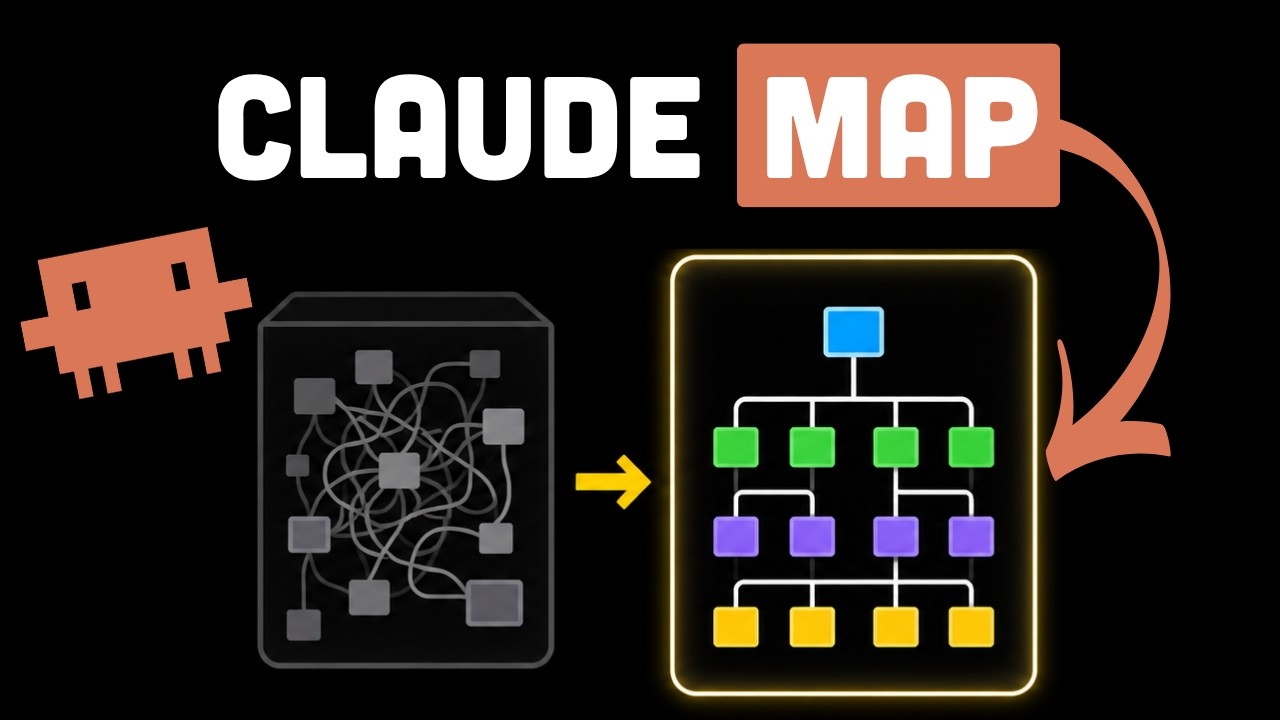
Graphs that teach > graphs that impress. Turn any code into an interactive knowledge graph you can explore, search, and ask questions about. Works with Claude Code, Codex, Cursor, Copilot, Gemini CLI, and more.

OmO: Just type "mass ulw" keyword with your prompt. Now you are the master of graph engineering.
Persistent Context Across Sessions for Every Agent – Captures everything your agent does during sessions, compresses it with AI, and injects relevant context back into future sessions. Works with Claude Code, OpenClaw, Codex, Gemini, Hermes, Copilot, OpenCode + More
Opinionated Oxlint rules for rejecting low-evidence TypeScript and JavaScript patterns
Teams-first Multi-agent orchestration for Claude Code